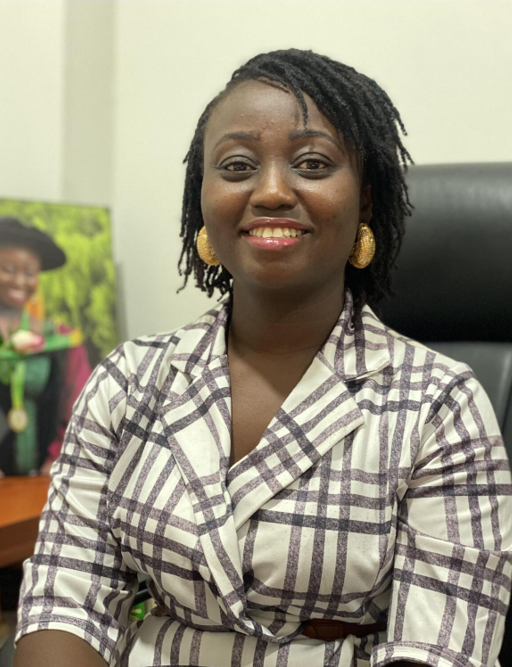

By Dr. Eugenia A. B. Anderson
Kwame Nkrumah University of Science and Technology, Kumasi, Ghana
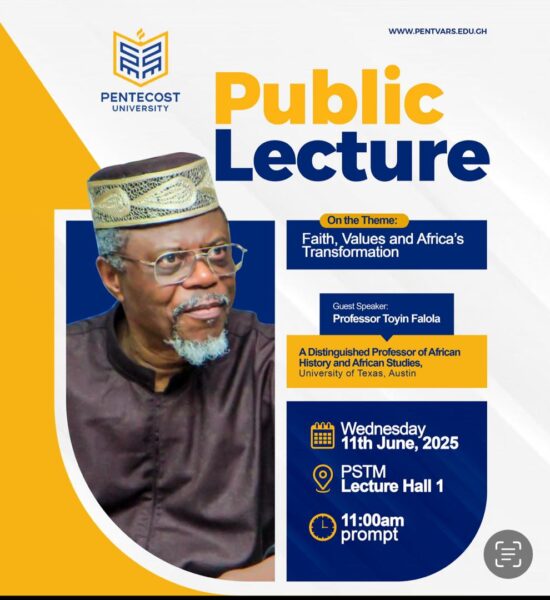
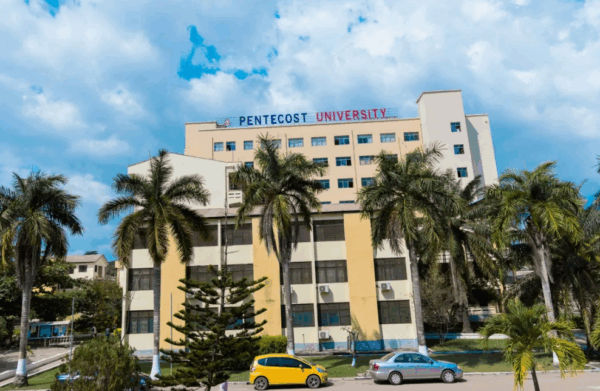
In October 2024, Professor Toyin Falola inaugurated a new field, African Ancestral Studies, at the University of Ghana. He will be in Ghana in June to promote this key aspect of African Indigenous Studies at three universities. In the first lecture at Pentecost University, Prof. Falola will discuss the value of the indigenous education system in modern society. “The assumption underlying this colonial story is that formal education—usually limited to classrooms and arranged around written books—is the gold standard for intellectual growth.” He explores the limitations of the colonial system: “Rooted in Western paradigms, this notion of education has led to the general conviction that learning can only be formalized and institutionalized. Many African nations, on the other hand, had long-standing educational institutions closely entwined with daily life, driven by social conventions, cultural values, and communal responsibilities. These methods were ingrained in the customs, rituals, and daily life of African people rather than being limited to schools. In this view, education was a lifetime of learning molded by customs of passage, social obligations, and knowledge transmission from one generation to the next.” He proposes a variety of new ideas.
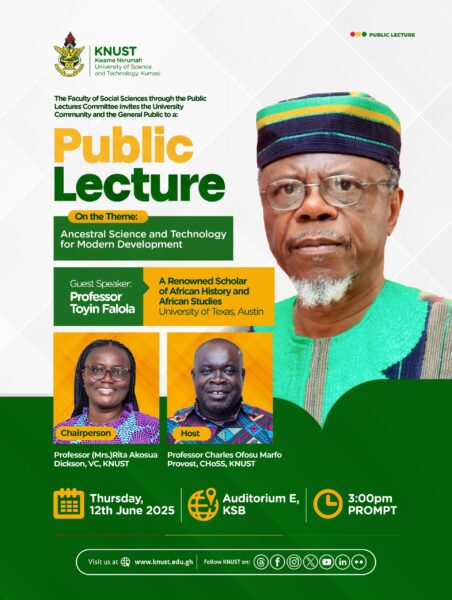
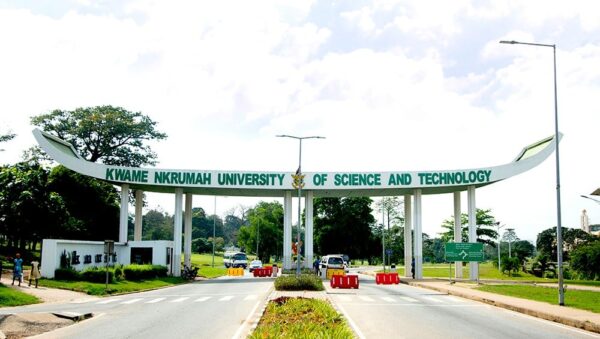
In a second lecture on ancestral science and technology to be delivered at Kwame Nkrumah University of Science and Technology, Prof Falola advocates for the accumulation of knowledge through participatory research methodology. To Falola, “Participatory research methodologies represent a bright path for including ancestral knowledge into contemporary development. These methods enable indigenous people to participate in the research process, allowing them to provide their expertise and contribute to the creation of ecologically sustainable solutions with cultural relevance. Participatory research guarantees that Indigenous people actively participate in determining the course of their communities, not only as passive knowledge consumers. This method promotes mutual respect and cooperation between modern scientists and Indigenous knowledge holders, hence producing more inclusive and prosperous development plans:

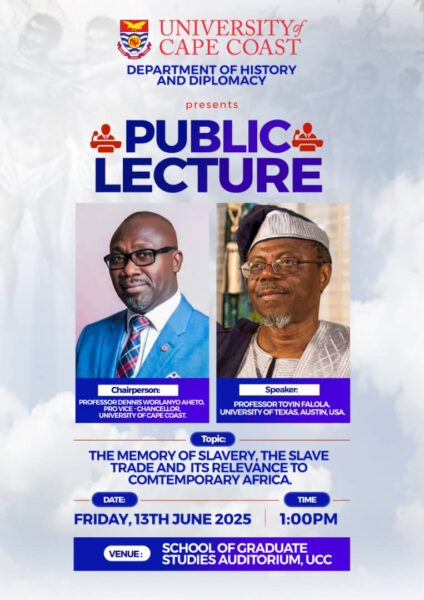
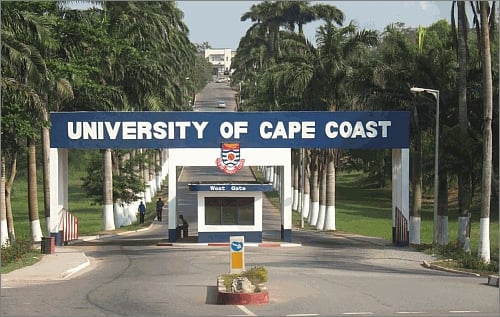
A third lecture at the University of Cape Coast focuses on the power of memory. It creates a strong connection between the past and the present. According to Falola, “It is clear that the road Africa has to travel to heal and grow depends on the memory of slavery. It is not only a story of history; rather, it is a strong force that still influences the political, social, and economic realities of African governments and the diaspora they have established. When African people recall the institution of slavery on their continent, they can heal the suffering of the past, reclaim their identities, and push forward toward a more fair and equal future. Africa can heal from the wounds left by slavery and build a future honoring its great past and ensuring dignity, fairness, and self-determination for every person. Collective work, unity, and the preservation of cultural legacy help one to achieve this.”
All the lectures derive from the field that Professor Falola has created. African Ancestral Studies (AAS) emerged as a transformative academic field through the pioneering work of Professor Toyin Falola, a distinguished Nigerian historian and scholar. AAS began in October 2024 at the Anton Wilhelm Amo Lecture at the University of Ghana, aiming to redirect the focus of African studies to include indigenous knowledge systems along with ancestral wisdom and cultural heritage, which colonial and Eurocentric narratives have historically marginalized.
Falola’s field of African Ancestral Studies blends genealogy, history, and philosophy while also integrating religion, art, language, and cosmology through interdisciplinary research. This approach highlights ancestral African knowledge systems and personal histories, reconnecting diasporic individuals with their ancestral culture and intellectual heritage.
Through the recognition of the continent’s intricate and diverse histories, AAS works to counter the homogenization of African identities. This framework provides a comprehensive understanding of African societies by acknowledging the importance of ancestral heritage and traditional knowledge systems that shape contemporary African life. In his major book project, Falola identifies the essential aspects and targets of African Ancestral Studies, which include the following points:
• Reclaiming Indigenous Knowledge: The African Ancestral Studies program aims to recover Africa’s intellectual heritage by emphasizing the advanced knowledge systems that emerged prior to European colonization.
• Emphasizing Ancestral Connections: The discipline establishes ancestry as a framework that connects Africa’s historical timeline with its contemporary reality while projecting into its future through ongoing generational exchanges.
• Integrating Diasporic Perspectives: AAS examines the transformation of African knowledge systems worldwide, focusing on the Americas and the Caribbean, to support diasporic communities trace their cultural roots.
• Challenging Eurocentric Narratives: AAS addresses the gaps in traditional history and anthropology by promoting African epistemologies and supporting a broader representation of African contributions to global knowledge systems. Professor Falola views AAS as a powerful tool that can transform education by advocating for the inclusion of ancestral knowledge in Africa’s educational systems and broader societal contexts. He emphasizes that interpreting historical events is essential for shaping future decisions and advancing progress.
Falola developed syllabi and educational resources to support the integration of AAS into academic programs. Through his authorship of over 100 books, he has produced vital literature that forms the foundation of this educational field. Falola’s works are recognized as significant publications relevant to African American Studies (AAS).
• Decolonizing African Knowledge: Autoethnography and African Epistemologies
• African Spirituality, Politics, and Knowledge Systems: Sacred Words and Holy Realms
• Esu: African God, Power, and Imaginative Frontiers
These publications explore the influence of spirituality and politics on knowledge production in Africa, unveiling key principles of African-centered knowledge systems. African Ancestral Studies signifies a crucial shift in academic fields by advocating for the integration of Africa’s rich ancestral wisdom into contemporary discussions. AAS links historical African achievements with the present to enhance our understanding while providing individuals the chance to rediscover and celebrate their cultural heritage.
All the lectures are open to members of the public.
Quite an interesting topic for an academic discussion.
It will be an eye opening discussion which I believe will ignite and shape intellectual debate.
I was just looking for this information for some time. After 6 hours of continuous Googleing, finally I got it in your website. I wonder what is the lack of Google strategy that don’t rank this type of informative sites in top of the list. Usually the top sites are full of garbage.