
Reviewed By Dapan Meshak James
Jamesmeshak22@gmail.com
University of Jos, Faculty of Arts
Department of History and International Studies
Toyin Falola is an alumnus of Obafemi Awolowo University, where he obtained his B. A and Ph.D. He is an award-winning Nigerian Professor of African History and Jacob and Frances Sanger Mossiker Chair in the Humanities at the University of Texas at Austin. He holds several leadership positions globally. Falola is perhaps the greatest historical brain in Nigeria. I regard him as the standard for Nigerian historians. He is a prolific writer with over 200 works. This is a review of his most recent work, Understanding Colonial Nigeria: British Rule and its Impact.
Falola, Toyin. Understanding Colonial Nigeria: British Rule and its Impact. Cambridge: Cambridge University Press, 2025.
Toyin Falola’s Understanding Colonial Nigeria: British Rule and its Impact is an invaluable addition to the extant epistemology of Nigerian History. The book is partitioned into five (5) broad parts and subdivided into twenty-eight (28) chapters exploring a wide range of themes and issues on the colonial epoch of Nigerian history. Falola’s discourse in the book Understanding Colonial Nigeria: British Rule and its Impact aimed at providing insight into issues and themes of colonial Nigeria, including the conditions and factors which paved the way for the advent of the British colonialist in the 19th Century, the dynamics of the colonial experience from the mid-19th Century to independence in 1960; the changes it triggered and how it laid the groundwork for the post-colonial experience. These issues are considered under subjects such as colonial conquest and administration, colonial legal system, gender, colonialism and medical development, Western education and legacies of colonial rule.
Staying true to its objectives, the author presents the issues and discussion chronologically in a descriptive-analytical manner employing an easy-to-comprehend lexicon. For clarity, the book considers aspects of Nigeria’s precolonial experience in order to lay the foundation for the analysis of the colonial experience. There are few calculated and deliberate repetitions in the book. For instance, the situation of colonial Nigeria during the World Wars and interwar years is repeated due to the significance of the period on the economic and political trajectory of colonial Nigeria. The book also compares the dynamics of the aforementioned colonial themes as manifested in the various areas of Nigeria’s colonial landscape and does not present the discourse on Nigeria as a homogeneous unit.
Though many may not consider this book as Falola’s magnum opus or his most seminal work because of his intellectual enterprises, Falola presents some established historical issues in this volume differently and delves into less popular issues, such as gender issues during the colonial period. The book showcased Falola’s uncanny ability to analyze complex historical issues in simplified language. This, and the wide scope of the book, makes the book a necessity for scholars of Nigerian history (national or international) regardless of academic level or field of expertise. Undergraduate and postgraduate students of Nigerian history, in particular, will find Understanding Colonial Nigeria quite useful as they seek to develop or advance their intellect in various fields of Nigeria’s (and by extension, sub-Saharan Africa’s) colonial history.
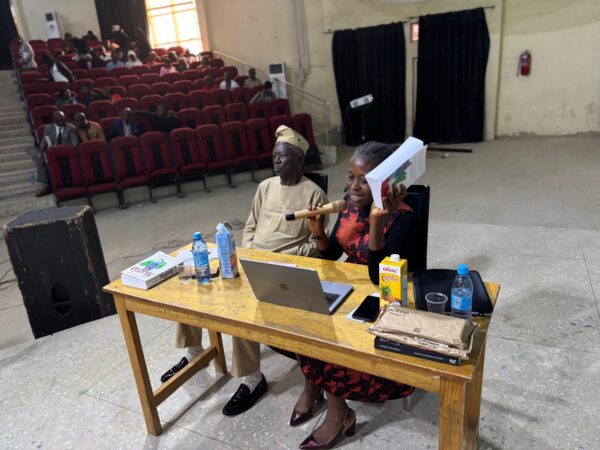
The book is a demonstration of a historian’s true craft by methodically exploring the change and continuity from the precolonial period to the colonial period in the several themes considered. Firstly, Falola synchronically reconstructs the unfolding events of the period under study. He then points out the effects of such events and the changes caused, analyzing some of the factors responsible and offering his perspective. The book thus seamlessly achieves a dual purpose of documenting events as they happened and diachronically understanding the changes from the previous era. The book highlights some precolonial issues majorly to prepare the readers’ minds for the manifestation of the colonial period, and it can be considered an extension of Falola’s History of Nigeria published along with Mathew Heaton, 2008 which presents deeper details of precolonial Nigeria. The book also skillfully considers the legacies of colonialism in post-colonial Nigeria to reflect the changes caused by the colonial experience.
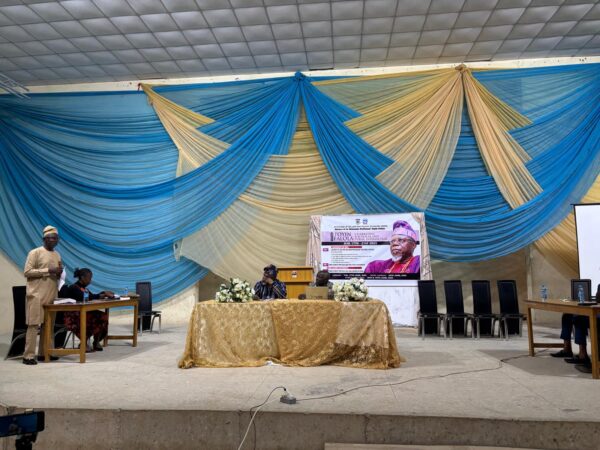
The author’s approach of synchronically presenting events and diachronically analyzing the impacts of the events is demonstrated in almost all chapters. In the first chapter, for example, Falola historicized how a chain of events led Nigerian historians to question the validity of archival documents as the sole source of Nigerian history and how such consciousness triggered the rise of Nigerian historians determined to establish other sources of Nigerian history. The chapter, not strictly a methodological consideration, historically accounts for the processes which led to such changes and developments during the colonial period. The succeeding chapter takes a similar approach, chronicling the global and local events which led to the advent of colonial rule and arguing the impact of colonial rule. The primary argument is that colonialism aimed at economically benefitting the Europeans, an argument drawn from the perspectives of the methodological developments described in the first chapter. This similar approach was utilized in exploring the issues of gender as seen today. Falola demonstrates that the marginalization of women started during the colonial period as the colonialist imposed their idea of gender on Nigeria. Nigerian women, the book demonstrates, had more rights and held leadership positions during the precolonial period than they had during the colonial and post-colonial period, which led to the Aba women’s war and other uprisings. This is one of many examples.
In summary, Understanding Colonial Nigeria achieves its objective of deepening the readers’ understanding of various aspects of colonial Nigeria. The book, beyond providing an account of the events, helps the historian to understand the changes from the precolonial period and the implications of the colonial experience on the post-colonial experience. To reiterate, scholars who are familiar with Nigeria’s precolonial history will further understand the changes in the themes considered as caused by the colonial period.
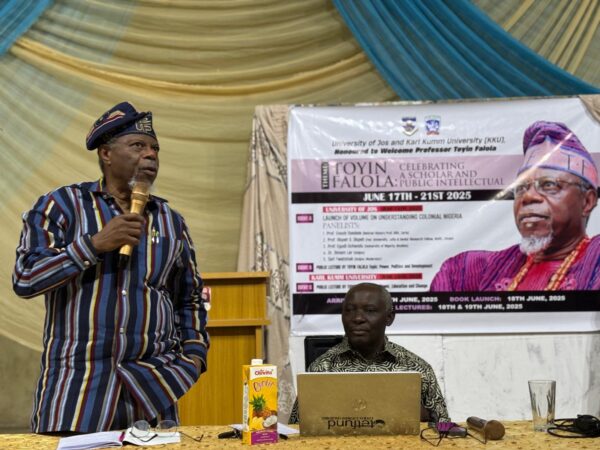
The book’s depth of research and analysis, the wide thematic scope including less popular ones, and the simplicity of language are its major strengths which makes it invaluable to a wide audience. However, experts on the various themes considered may find the book refreshing but not entirely making new arguments although the book’s contributions to the gender aspects of colonialism are remarkable. For emphasis, there are extant epistemologies and research on various aspects of Nigeria’s colonial experience, but none of the work melds the issues and themes into a single volume such as this. The extant literature on the subject also does not approach the discourse in the dual manner Falola did.
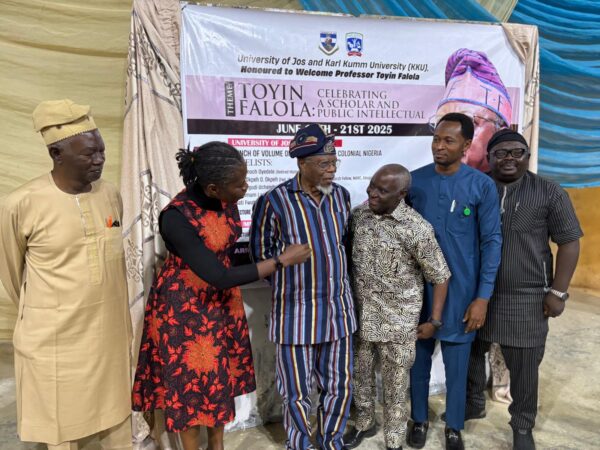
Further, Falola’s attempts to examine the impact of colonialism and his efforts to compare and contrast the experiences and events in the different component units and regions of the Nigerian colony make the book generally useful. However, this wide scope also makes it a limitation to the author as the details on the experiences of the groups could not have been similar across the area: some areas received lesser attention expectedly. Expert scholars on specific geographical scopes may find the details on the impact of colonialism on such regions not necessarily sufficient in the book considering that, apart from the general impacts of colonialism, some groups may have had peculiar colonial experiences in a heterogeneous state like Nigeria.
This is exactly how a review should be done.
Weldone Mr.James Dapan for this wonderful and tremendous review.
You made it look so simple, easy and easy to digest..
Kudos Mr. Menshak James for a great well
Awesome! Weldon Mr. Meshak James Dapan, this is quite commendable.