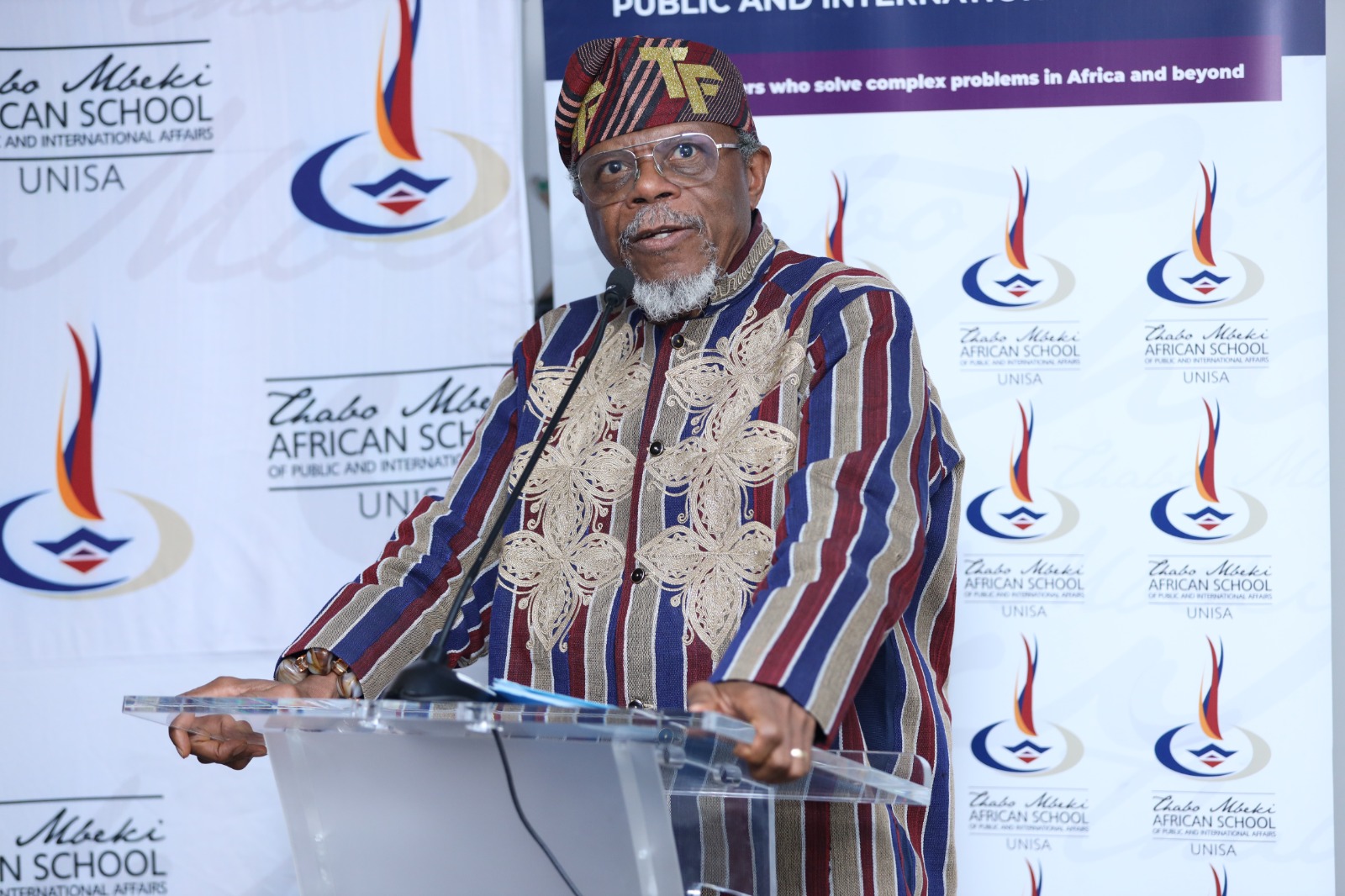

Toyin Falola
Africa has the largest youth population, with a large percent under 25. According to the United Nations, Africa’s population is expected to increase from 1.3 billion to 2.5 billion by 2050. This indirectly means that the world population is liable to increase by around 1.2 billion by the mid-21st century. The pace of urbanization in Africa is expanding; there are projections that by 2050, over 60% of the African population will reside in cities compared to about 40% in 2023. This surge in population will create opportunities for the African youths to become innovative and discover new markets for their products and services. The government, however, needs to play the role of helping the youths upskill by supporting youth-led entrepreneurship and implementing favourable policies to help the youths attain sustainable growth and realize their full potential.
The downside of the growth of urban areas, however, is the pressure it places on infrastructure, the insufficiency of employment and housing facilities, and the pressure it places on public services. The population boost could have negative effects on the economy and destabilize society, especially when the government refuses to adequately fund education, hospitals, and other critical sectors. The African economy is evolving, it reliant on the extractive industries is now minimal as it is now more focused on digital innovation, international trade, and renewable energy, which has now made agriculture more modern and cost-effective.
The African Continental Free Trade Area (AfCFTA) will make trade between African countries effective. The UN Economic Commission for Africa forecasts that trade between African countries in agriculture, food, services, and industry might expand by 49.1%, 37.9%, and 35.7%, respectively, by 2045. This would have been different if there were no African Continental Free Trade Area (AfCFTA). The World Bank predicts that AfCFTA may increase commerce between African countries by more than 81% and improve regional income by as much as $450 billion (approximately 7% of GDP). This could help millions of Africans out of poverty by 2035. Afreximbank forecasts that commerce between African countries will grow by 12.4% in 2024 since member countries are following the trade agreement.
The digital economy, especially mobile money, fintech platforms, and digital entrepreneurs, allows more people to have access to the economy and enables the growth of small businesses. Although Kenya, Nigeria, South Africa, and Rwanda are becoming major places for digital innovation, their laws and infrastructure still need to be improved.
The politics and governance in Africa are not stable. Some African countries have witnessed military coups or institutions that have gotten worse in the last few years, even when power is changing hands legally and civil society is engaged. However, these challenges have allowed for citizen-led movements, notably youth-led rallies like “#EndSARS” in Nigeria show that more and more people want a government that is open, accountable, and inclusive.
The African Union (AU) and ECOWAS have begun to create laws for elections, uphold the constitution, and deal with emergencies. But for real democratic consolidation to happen, institutions need to get a lot better, there needs to be to fight against corruption, and political participation needs to reflect the diversity of Africa’s people. As Africa’s economy depends more on knowledge, institutions that teach STEM, AI, and traditional knowledge are becoming more and more vital. But there are still huge difficulties with funding, brain drain, and unequal access to education, especially for people who live in the country with low economic growth.
On the other hand, there are opportunities for Pan-African academic cooperation, involvement from the diaspora, and revisions to the curriculum that are better suited to the needs and locations of Africans. For Climate, Africa only puts out less than 1% of the world’s greenhouse gas emissions, but the continent is more affected by climate change than other countries. The World Meteorological Organization states that climate change costs African countries between 2 and 5 per cent of their GDP each year. In sub-Saharan Africa, governments often spend up to 9% of their budgets on projects that help them adapt. Experts have noted that it will take $30 billion to $50 billion annually over the course of the next decade to adapt. Over 118 million individuals who live in extreme poverty by the year 2030 might have to deal with drought, floods, and heat shocks in the event that insufficient finance is invested in adaptation. Future policy needs to aid renewable power, climate-resilient agriculture, secure water, and the utilisation of traditional ecological knowledge. To make sure that energy transitions are fair and just, African points of view need to have a large impact on global climate frameworks. We cannot merely use other people’s concepts about “green colonialism.”
The African creative industry, such as Nollywood films, music, fashion, and literature, must be considered. The manner in which we describe the world has altered due to Afrofuturism, Black-nationalism, and Pan-Africanism. These ideas demonstrate that Africa remains innovative in the 21st century. This renaissance is part of a bigger intellectual movement to decolonise knowledge systems, bring back historical memory, and make African knowledge systems more important in world conversations. To maintain these advances, cultural policy should support and guide arts education, the African traditional knowledge system, and allow new enterprises to emerge.
African leaders need to make demands for decision making powers and African representation in important global organizations like the UN, the Security Council, the OECD, International trade processes, and the IMF, among others using the scramble for African natural resources by countries like China, the UN, the EU, Russia, India, Turkey, and Gulf states as leverage.
Collectively, African states can explore opportunities to attain greater integration while employing a level of diplomacy and negotiating in a manner that matches their commitment to their development plan and commitments to the Pan- African vision.
The African Union’s Agenda 2063, along with continental, regional, and bifocal groups such as ECOWAS, SADC, EAC, etc, provide an opportunity to advance Africa’s development agenda and promote African unity. New first forms of cultural diplomacy and youth-led internet media have breathed new life into the concept of Pan-African unity and the phrase ‘African solutions to African problems’. To achieve unity and prosperity, leaders must ensure continuous compliance with set standards, the formulation of infrastructure corridors, and greater coordination among continental organisations.
To sum up, individuals, policies, and institutions of Africa will determine subsequent developments. This is not definitive. The continent will significantly transform the world by employing innovative concepts, uniting individuals despite their disparities, and reevaluating its history from a novel perspective. We require regulations grounded in empirical evidence, investment in human capabilities, robust institutions, capacity to address climate change, and the liberty to live according to our preferences. The experiences of the African populace should provide the foundation of the continent’s knowledge systems. This will determine the future of Africa.
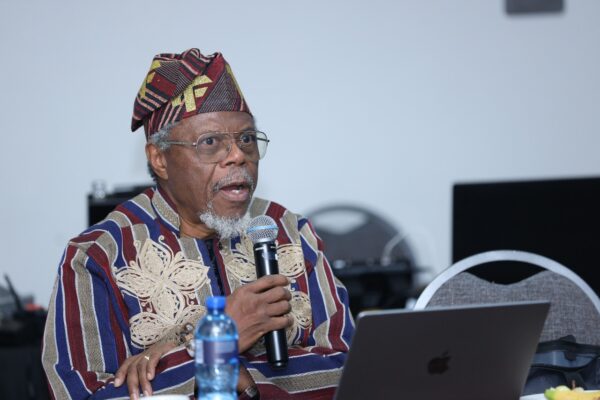
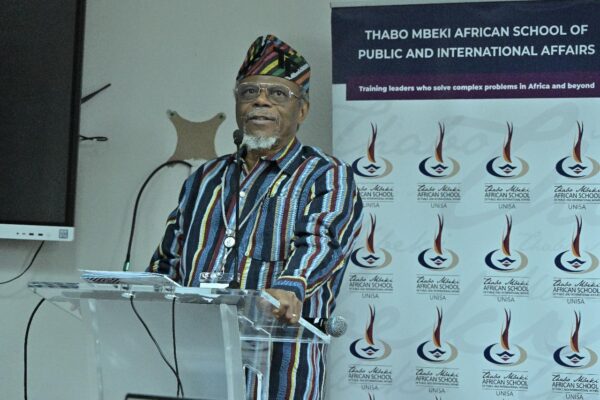
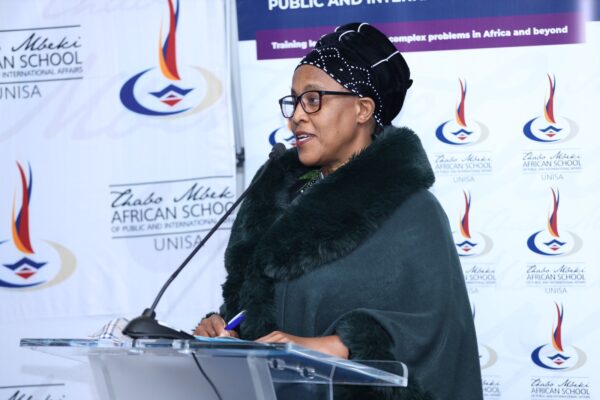
PS: This is part of the Address presented at the November meeting of the International Advisory Board, Thabo Mbeki School, July 25, 2025.