
Toyin Falola

A PANEL DISCUSSION ON TRUMP AND NIGERIA, PART 2

(This is the second report on a panel discussion on Trump and Nigeria, November 16, 2025. For the transcript, see https://www.youtube.com/live/CrClIrWeJ6k?si=Sgd4rEafZbGc2x8A)
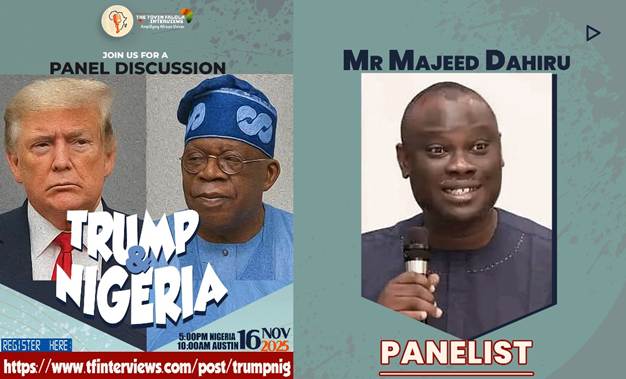
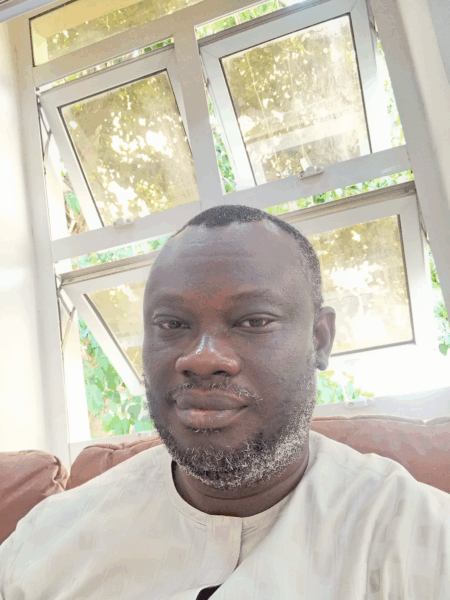
Dr. Dahiru Majeed, a prominent Nigerian journalist and public analyst, is popular for his incisive analyses, especially on Premium Times, and delivers some of the most sobering commentaries of the day. He is well known for his works, like My Little Almajiri Story and The Future of History in Nigeria. Heis an indigene of Okene, Kogi State, one of the troubled areas due to terrorism and extremist activities in the country. Therefore, his words can also be regarded as reality or lived experiences and are vital for the conversation on insecurity.
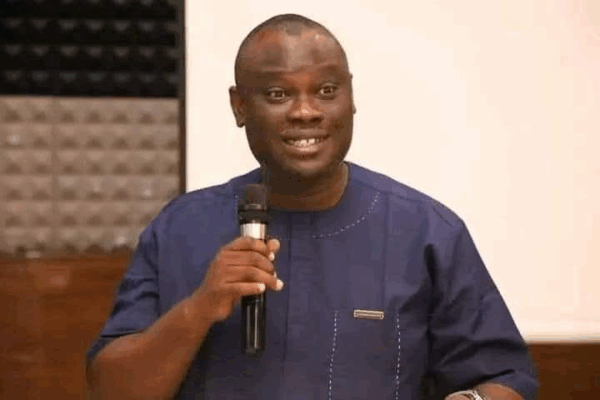
He begins his discussion by delving into the issue of insecurity in Nigeria, an occurrence that has pushed the nation to the brink of failure. He clarifies that he is a Northern Nigerian Muslim who has witnessed extremism in his city and insists that the recent attention of Donald Trump over the issue of “Christian Genocide” in Nigeria and the placement of the country on the list of Countries of Particular Concern cannot be disentangled from the deep-rooted, multidimensional kind of insecurity that currently plagues the country. He continues his argument by stating that the government continues to debate which label to apply to this violence and, in essence, avoids confronting the truth, leading to a situation in which the country lacks clear solutions to the problem.
On the matter of Christian Genocide in Nigeria, he admits that there are different opinions. Still, he claims that targeted Christian killings in Nigeria are a fact and are especially perpetuated by terror sects like ISWAP and violent herder militias in states like Plateau and Benue. For Dr Dahiru, the end goal for these violent acts is the elimination of the multiethnic and multi-religious identity of the Nigerian state, with these being replaced by a puritanical Islamic order. To achieve this, then, there needs to be a religious cleansing, especially in non-Muslim communities. He recalls that under President Muhammadu Buhari’s Administration, the public execution of prominent Christian individuals and the sacking of Christian communities went largely unchecked, and the then Minister of Information, Lai Mohammed, publicly admitted to the fact that Christians were being targeted to provoke a sectarian crisis.
He continues by stating the distinction between killer herders and jihadists while maintaining that both groups have similarities, which are their religious outlooks and attacks on Christians. Thus, the fears of Christian communities of genocide are valid. He also states that although the Boko Haram sect has killed more Muslims than it has Christians, it does not create a conversation on genocide because Muslim extremists kill Muslims who are regarded as not being Muslims enough. However, this discussion could quickly become one of genocide when they kill Christians because of the stark differences in religious identity. Therefore, he maintains that Christians cannot be faulted when they describe this violence against them as targeted. He appeals to Nigerians, especially Muslims, to show empathy toward them while seeking solutions to solve this problem without being defensive.
Citing incidents in Benue and Plateau states, he speaks about what the government has long described as “communal clashes.” The Plateau massacre of 2018, where the Miyetti Allah claimed responsibility for a retaliation for cattle rustling as their justification for killing over a hundred Christians returning from a funeral, with about two hundred Christians saved due to the courage of an Imam who sheltered them from the attack, was cited as an example of Christian genocide. According to Majeed, this cannot be categorized as a communal clash, especially since the victims were not cattle rustlers or aggressors of previous conflicts; they were simply victims of aggression. He states that issues like this occur in Benue, where victims were more likely to be Christian and the aggressors were more likely to be Muslims.
From this end, he traverses into the issue of persecution of Christians, especially as the Sharia law is being implemented in the Northern states. He states that Muslims regard this law as an extension of their faith, but that the system may be fallible, especially since, of its four pillars, only the Qur’an is a divine document. Other pillars like the Hadith and scholarly contributions can be flawed, and they can undermine the rights of non-Muslims in these states, leading to repression, exclusion, and systemic marginalization. Dr. Dahiru gives the examples of the extrajudicial killings of Bridget Agbahime in Kano and Deborah Samuel in Sokoto on allegations of blasphemy, with no justice meted out to the perpetrators, as examples of Christian persecution in Northern Nigerian states.
Dr Dahiru states that he remains committed to the secular identity of Nigeria, which presents security for people of all walks of life, as he points out that in the Southern Nigerian states, Muslims can also feel excluded as the governors of these states give their jurisdictions a more Christian outlook and establish cathedrals with tax-payers’ money without extending same toward the development of mosques. He calls the White House’s attention to Nigerian affairs “a short-term therapy” which should prompt the country to recalibrate, reset, and reinforce secularity in society for the benefit of all Nigerians.
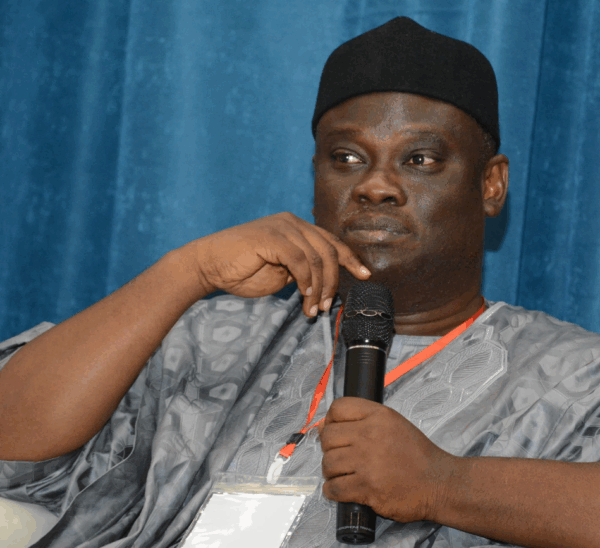
In his response to the comments raised by Malian and Nigerien delegates, he asks why the collapse of Libya has led extremists to Nigeria and not Ghana, Togo, Senegal, Cote d’Ivoire, Tunisia, or Egypt. He follows up with an answer by simply stating that the Northern Nigerian society presents a fertile soil for extremism to grow due to its decades-old institutional and ideological teachings from the 1970s. Therefore, he believes that Trump’s attention to this matter could be an opportunity for Nigeria to acknowledge the problem and decisively address it.
He further states that there can be a collaboration between Nigeria and the U.S.A. over this problem, especially because Nigeria does not fit in with the political definition of genocide, which would validate its place on Donald Trump’s Country of Particular Concern list – although it satisfies the legal definition. By comparing Nigeria to the Chinese and Saudi Arabian governments that play active roles in silencing minority religions, he justifies that the Nigerian government does not aid or abet Christian-targeted violence. He further claims that the current Nigerian president cannot be accused of religious bigotry or enabling terrorism, as he has Christian families. Therefore, the current administration can seek help from the U.S. because it is making efforts to fight against extrajudicial killings of its citizens by citing efforts like the arms deal agreement with the UAE to curry help from Donald Trump, if he truly aims to help Nigeria achieve a decisive solution against insecurity.
Reacting to comments questioning his positions and identity as a Muslim and Northerner, he rejects the assumptions, stating that his opinions and positions are grounded in lived realities. He states that the second arm of ISWAP operates from his hometown in Okene, and a leading Bishop of the Pentecostal Church was killed in his residence in 2011. Traditionalists in the community were also attacked in the same way. One of the Kuje prison escapees, who was rearrested, led the 2013 attack on Deeper Life Church in his community, and the attackers of the Owo Catholic church in Ondo (2022) also came from his hometown. He states that his community eventually rose against these aggressions, and the people received support from the state government.
His guarded visitations to the rehabilitation camp in Gombe for repentant extremists brought him some clarity that further helps shape his perception of the discourse at hand – when he asks rehabilitated fighters why they picked up arms in the first place, their answer was: Haikin Allah—the work of God. These experiences serve as guidance for navigating the issue of extremism in Nigeria and for a better understanding of it. He pleaded that Muslims should refrain from taking a defensive outlook when Christian genocide is discussed and should instead acknowledge the fears of the Christians and show empathy to promote reconciliation and healing.
TF Interviews: Majeed Dahiru’s Opening Remark on a Panel Discussion on Trump and Nigeria
https://drive.google.com/file/d/1VmISde7wfXKg2kaIw6sZcES-yvwyaQzf/view?usp=drivesdk