
Toyin Falola
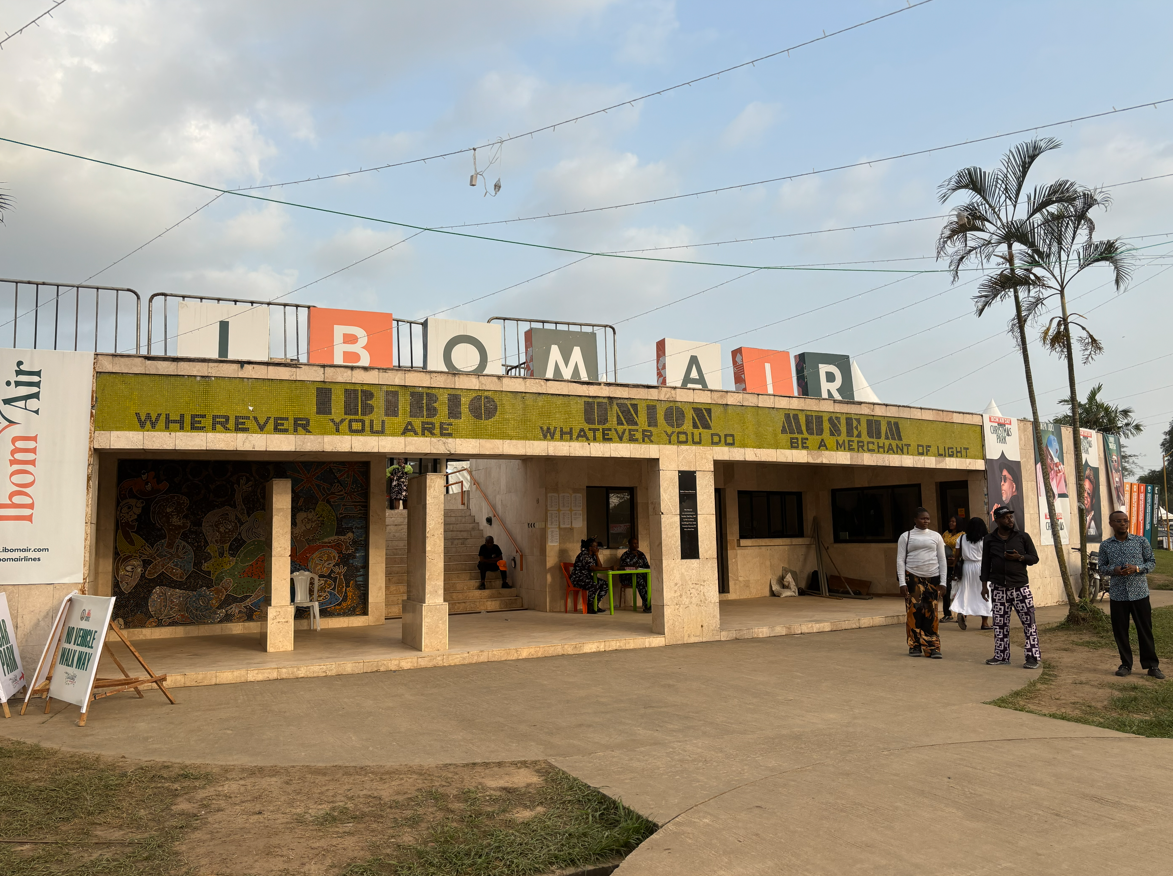
IBIBIO STATE MUSEUM, UYO
What a lucky moment! The annual end-of-year carnival was in progress when I visited Victor Ekpuk. Held for hundreds of people, each day features performances by local governments showcasing the uniqueness of their cultures and products. And every evening, hundreds of people gather for the concert. Conducted in a vast open space, the atmosphere was both colorful and vibrant. The state government created its carnivals as a demonstration of ongoing accomplishments across various aspects. I was able to meet high-ranking officials. On the grounds of the sprawling carnival is the Ibibio State Museum, which I visited. Space limits me to discussing the museum rather than the elaborate carnival. When the carnival folds up at the end of December, the museum will remain.

Chief Cultural Officer and Head of Art Directorate, Ministry of Culture and Tourism, Akwa Ibom State
The Ibibio State Museum—the House of Golden Memories—is an edifice of the Ibibio people’s cultural heritage and history. The museum is in the South-South region of Nigeria, in the capital of Akwa Ibom – Uyo. The museum was erected in the center of the capital city for easy access to indigenes and tourists alike through short drives via major roads from the Uyo primary market or the University of Uyo, where clear signposts would guide their journey. It was established in 2007 to preserve, celebrate, and showcase Ibibio culture and traditions while serving as a repository of artifacts that connect the present and the past. The museum is significant to the locals and is also the center of the broader network of Nigerian ethnic museums.
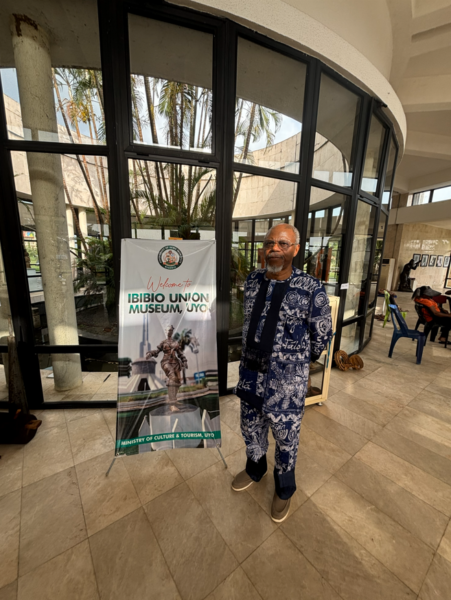
The Ibibio Museum is arguably one of the oldest, if not the oldest, ethnic museums in Nigeria, established on the 28th of April 1928. Its history is closely linked to that of the Ibibio Union. This group created a collective voice for the Ibibio people. It served dual roles: as a mediator between them and the colonial authorities, and as an advocate for education, infrastructure development, and improvements in agricultural practices. The museum was established to further this mission and preserve the identity of the Ibibio people. Several decades after its establishment, the museum has undergone renovations and expansions to accommodate its ever-growing collection of cultural artifacts, enhancing patrons’ experience. It has also hosted exhibition programs featuring curated artistic performances and artifact displays to chronicle the evolution of the Ibibio society from the precolonial era through the colonial era to the contemporary period.
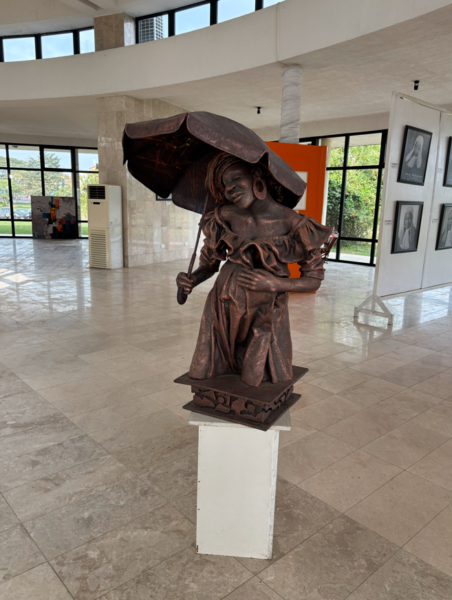
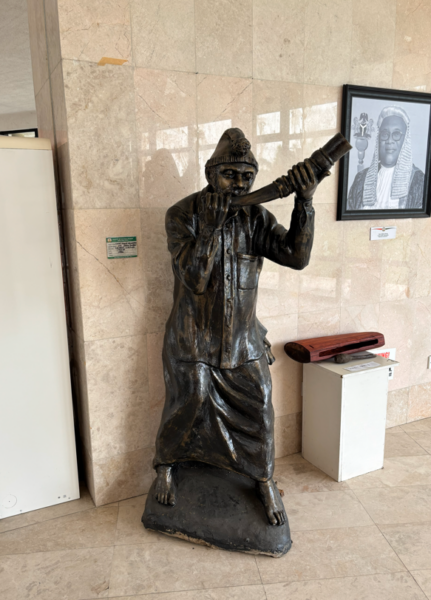
The museum’s distinct star-shaped design is a piece of architecture that always piques visitors’ interest. This design represents the Ibibio culture’s central elements of harmony and unity. The museum holds several artifacts that tell the stories of the daily life of the Ibibio people. These artifacts include indigenous clothing, sculptures, pottery, musical instruments, and ceremonial masks. They also include artifacts from the colonial era, like documents, photographs, and other records. These items present visitors of the museum, whether for tourism or intellectual purposes, with firsthand information about what precolonial and colonial Ibibio society looked like. There are also carvings and other artworks that attest to the community’s creative acumen. Occasionally, the museum also hosts interactive cultural sessions that allow visitors to engage directly with Ibibio traditions.
Education and outreach programs are among the most crucial roles this museum plays. Hence, learning institutions and scholars are always encouraged to explore this place and its cultural tales. The place has guides who tour visitors around the learning institution and enlighten them on the historical significance of each artifact they view through the various exhibits. The institution also conducts workshops for educational institutions to promote learning and raise awareness of the Ibibio culture, not only among the present generation but also among future generations and foreigners. This is aimed at instilling a sense of pride among the indigenes and fostering awareness by disseminating knowledge.
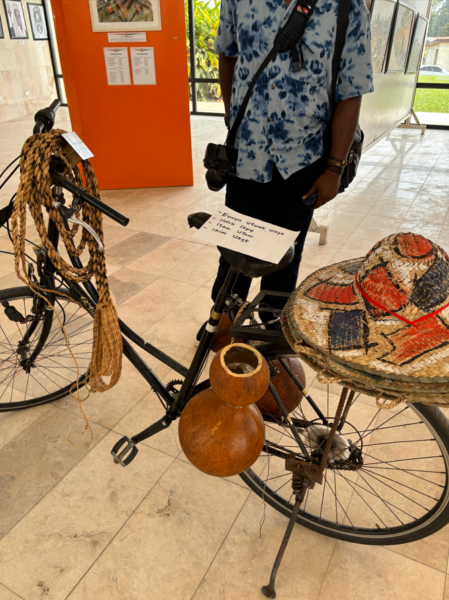
The museum is invested in public engagement. It is located close to other attractive sites that can further enhance visitors’ experience, such as the University of Uyo, which has a nature park with scenic biking trails and sightseeing opportunities, and can serve as a cooling spot to complement a museum visit. The Uyo Primary Market is also very vibrant, and the hiking trails surrounding the Ibom Plaza are close by, helping visitors to the museum interact with the Akwa Ibom people and feel the essence of their culture. The museum greatly assists the cultural side of tourism in the region because it assists in the coming together of people with different cultures from the international and local events surrounding the activities of the museum, such as the cultural days, cultural exhibitions, cultural performances, and cultural festivals, where they encounter a rich world where the past and the present coexist.
Like every entity with strength, the Ibibio museum has several challenges that hinder its full potential. These range from maintenance issues to preservation. Some past visitors have noted the poor cooling system, dusty galleries, cobwebs, and closure periods that have limited access to the museum, as well as the enjoyable assessments of its exhibits. The lack of a robust funding structure, limited staffing, and inadequate technology for storing its artifacts all serve as obstacles to the museum’s goals of fostering education and amplifying Ibibio culture. The museum should undergo a building facelift, and its internal operations and administration should be modernized to keep pace with the digital era and deliver an enhanced visitor experience. When these challenges are resolved, the Ibibio museum can rise from being known as the oldest ethnic museum in Nigeria to earning the appellation of a “world-class museum”. With this achievement, it becomes easier to attract foreign tourists and researchers and provide them with education on the Ibibio culture, thus achieving its traditional goals.
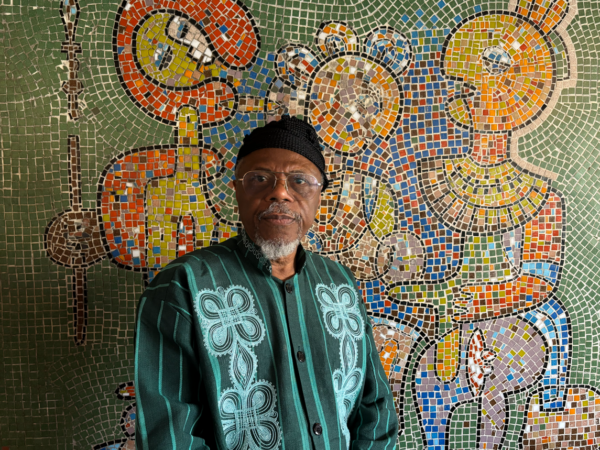
Also, to further advance the museum and better position it to achieve its goals, a strategic collaboration with Victor Ekpuk, a world-class Ibibio artist based in America, is needed. His artwork draws inspiration mainly from the Ibibio and Efik sacred visual communication system, also known as Nsibidi. Thus, it can be rightly stated that while the museum serves as an institution that preserves Ibibio culture, Ekpuk is an individual with the same motive; hence the need for this collaboration, which could yield mutual benefits and further amplify Ibibio culture. The Ibibio Museum currently does not hold any Ekpuk artwork, and his pieces are known to aestheticize Ibibio culture, history, spirituality, and identity. Therefore, this is an oversight that should be promptly corrected through hosting of collaborative exhibitions or site-specific installations. This can help the museum activate contemporary means of transforming static arts into living pieces of continuity and help young patrons and intellectual minds deduce how indigenous language systems can remain relevant in contemporary arts and philosophical practices.
It is important to note that if the museum threads this path, it would be successful, as evidenced by Ekpuk’s long-standing commitment to collaboration. He has worked with several diasporic communities and international institutions. This also shows that his artworks are eligible for sharing memories and reflections. By hosting a workshop series or a residency program, this collaboration will attract international attention and foster interaction with the local community. Also, this can help the Ibibio culture, which is dominant in the museum, to reach a broader audience in the Americas and further global discourse on African culture.
In summary, the Ibibio Museum is an edifice that the indigenous people are proud of. It houses the Ibibio identity. It is a shrine where the natives would go to preserve the people’s artifacts, crafts, arts, and knowledge. It is of immense importance, as it propagates the vital message of preserving ethnic culture and promoting ethnic museums in Nigeria. To accomplish these goals, the museum, being the first of its kind in Nigeria, must continue to serve as an example through constant evolution and collaboration with individuals and institutions with similar interests, so that it can serve the many generations yet to come, whether local or foreign. A visit to the Ibibio Museum is an opportunity to see the history of the Nigerian people through the Ibibio lens. The institution is a space for appreciation and understanding of the Nigerian heritage.