
Toyin Falola
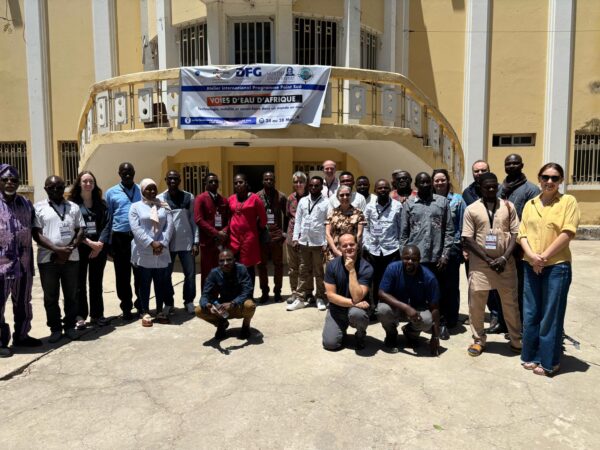
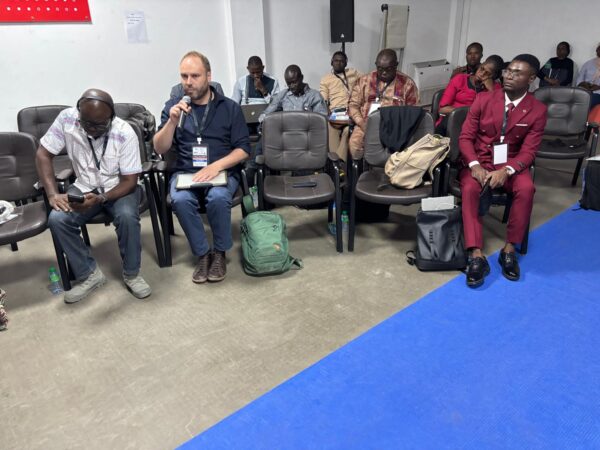
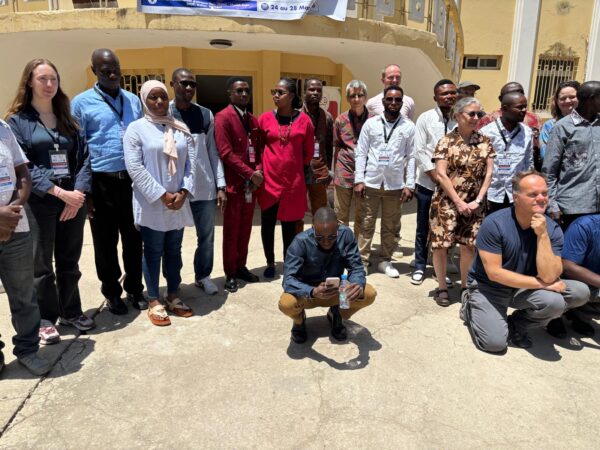
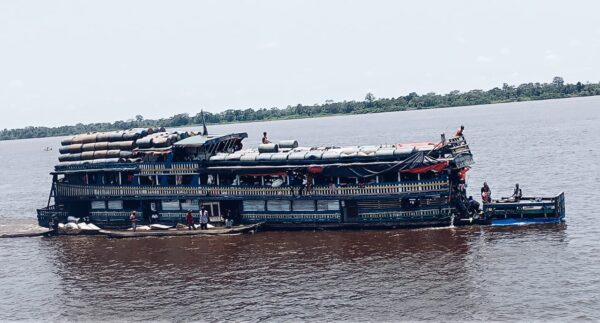
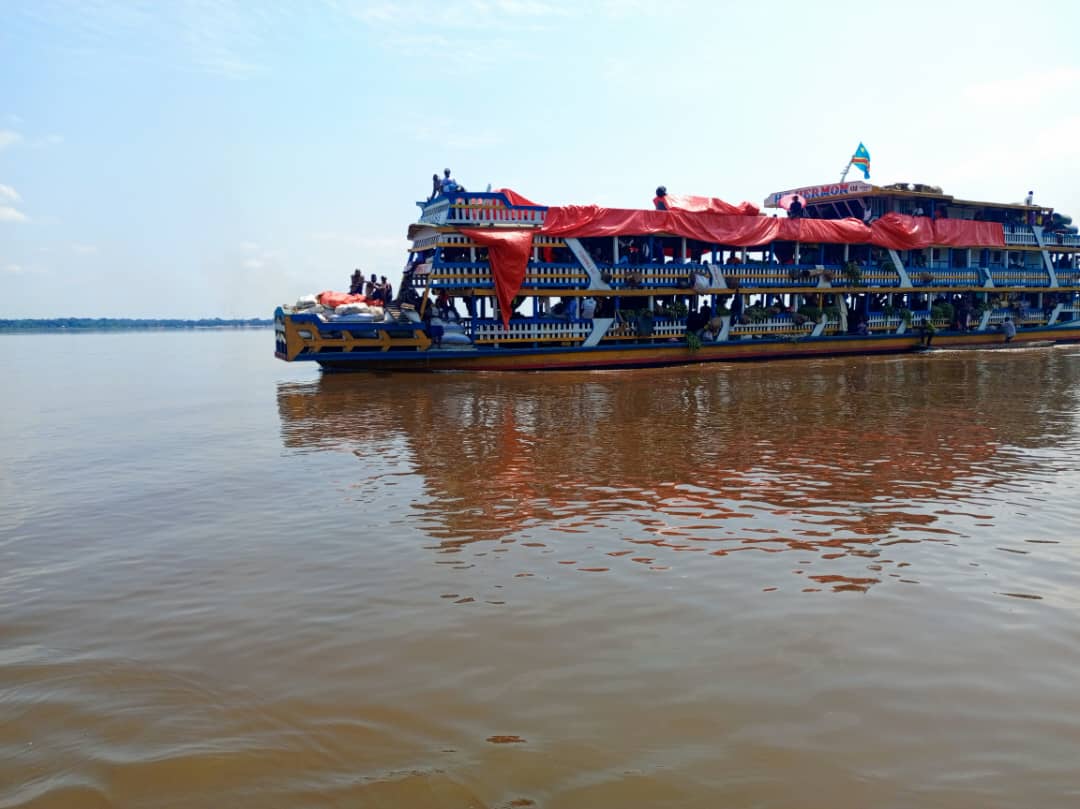
One takeaway from the ongoing conference on African waterways in Dakar is the enormous respect that the conference organizers, the participants, and boat makers have shown to waterbodies. Not only do they recognize the power and significance of rivers, but they also discuss them with awe and reference. In this short piece, I will bring out key elements in the spiritual dimensions.
From the African society point of view, waterbodies have deep connections with moral, spiritual, and ecological aspects of life; thus, they are never regarded as mere physical elements but rather as living creatures that are imbued with dignity, agency, and spiritual power. African societies believe that spirituality is embedded in all aspects of the material world, and it shapes the relationships between humans and their environment and the unforeseen forces that govern existence. The African spirituality is developed upon the idea that physical and metaphysical beings are all connected by a shared life force ordained by a Supreme Creator or Being. This is the knowledge that backs up the identity of African waterbodies like streams, rivers, lakes, and oceans as members of an active spiritual network that sustains physical life and maintains cosmic balance, according to Hagan, in his “Water and spirituality in some African cultures and traditions (2016).
Naturally, water is essential for the maintenance of life. It serves as a vital connection between humanity and spirituality. Thus, it is not out of place to see Africans refer to waterbodies as domains of existence for spiritual beings who can influence human affairs and ecological systems. These spiritual beings are defined in African cosmology as intelligent beings with the capacity of assigning rewards or punishments, and they differ from culture to culture. The Yoruba culture has the Yemoja, a goddess with attributes of fertility, protection, and life. Among the Ga (of Ghana) and the Sierra Leonean cultures, the water spirit is referred to as the Mami Wata, with attributes of beauty and danger to reveal its capacity for sustenance and destruction. In the Cameroonian culture, they refer to the Jengu spirit, which has the attributes of healing and guiding, and in Angola, there is the Kianda spirit, who is the protector of rivers and seas.
There are several other societies with different names and attributes to their water spirits. The examples reveal the extent to which African communities connect with their waterbodies, to the extent of communing with the spirits in those domains. This revelation then dispels any confusion that might have existed on why African societies treat their waterbodies as abodes of power that must be respected through morally inclined acts and ritual engagements. The belief in this system is an extension of the belief in African cosmologies, where the spiritual universe is said to be a vast space for ancestors and spirits to coexist and mediate the relationship between man and his immediate environment.
African societies do not respect waterbodies for their spiritual connections alone. They also revere and respect them for their role in ensuring the survival of humankind. Water aids agricultural development, supports livelihood, and also ensures the continuity of nonhuman lives. Aside from the reverence paid to the spiritual features of water, Africans also need water for the maintenance of their spiritual life and the sustenance of ecological harmony. Thus, waterbodies, including rainfall, are regarded as divine gifts from the Creator. The belief connects the presence of waterbodies to moral conduct, where communities have a moral duty to protect their waterbodies and revere them through systemic obligations. Violations of these obligations through pollution, overfishing, disrespect, and spiritual neglect can disrupt the balance between the physical and the non-physical world, and the Supreme Being may remove waterbodies by withholding rain, causing floods, or by making water bodies dry up.
To maintain balance and peace with the pristine nature of their waterbodies, different African societies have developed rituals which include activities like seasonal festivals, sacrifices and libation offerings at the banks of waterbodies – especially when a corpse is to be transported, designation of taboos like not allowing menstruating women cross waterbodies, and also, the non-utilization of some waterbodies for fishing purposes, the suspension of activities on river bodies due to the occurrence of certain events like the death of a whale, and the implementation of ‘rest days’ for waterbodies; to honor, appease, and celebrate them. The implementation of these policies is often done by the kings or priests and priestesses in charge of waterbodies. Aside from their spiritual aspects, many of these policies function as mediums of maintaining ecological sustainability.
The neglection of these policies or their violations can have several consequences for individuals and their communities. First, African societies often term problems like flooding, drought, decline in fish population, and drying up of waterbodies as punishments from the Supreme Being because of immoral acts or misdeeds toward nature, or spiritual inhabitants of waterbodies. However, the violations of these policies from a logical perspective can create issues like the spread of illness that could occur from carrying dead bodies across waterbodies or transporting women during their menstrual cycle. This could create avenues of water contamination, especially in situations where, for example, boats carrying dead bodies capsize, and the corpse contaminates the water supply, leading to the spread of disease. Nonstop fishing in rivers can also affect aquatic life, and this evidence the importance of ‘rest days’ for waterbodies. Finally, the disrespect for waterbodies and the spirits resident in them through unhygienic disposal of natural and artificial waste can lead to flooding, reduction in rainfall, and also the spread of diseases, all of which African societies rightly interpret as punishments for breaking faith with spiritual entities.
The implementation of regulatory policies creates spiritual balance and strengthens ecological advancement. First, they ensure the preservation of aquatic ecosystems since these policies make them mystified and thus, handled with caution. Also, acts of mystification and veneration involve the coming together of the community; thus, this knowledge spreads amongst residents and helps to promote the habit of protecting biodiversity, according to Amah’s work on “Water Spirits and Sacred Rituals: The Role of African Traditional Juju in Protecting Blue Ecosystems in Cross River State (2024).If these indigenous practices are integrated into conservation strategies, they could create novel and potent ideas for addressing environmental challenges that plague the contemporary era.
It is, however, important to note that indigenous policies of revering African waterbodies may have adverse effects on contemporary demands – the limited usage of waterbodies through policies like ‘rest days’, non-utilization days, or no fishing zones may slow down economic advancements. The solution to this, then, should be to ensure that fair compromises are reached between beliefs and the demands of urban societies. For instance, large industries must find better means to dispose of industrial waste, not just as a sign of respecting the pristine attribute of waterbodies but also as a means of maintaining ecological balance.
Contemporary African societies must revitalize the dignity and reverence of waterbodies by engaging indigenous knowledge and integrating it with contemporary ideas. The gradual drying up of Lake Chad is enough wake-up call for African societies to amplify efforts of protecting the continent’s ecology – this time not only as a matter of spiritual obligation but also as an effort toward the sustenance of life and livelihood. African waterbodies have sustained several generations. They are not resources for mere exploitation. They are sacred inheritances that are to be protected and further passed down the line in acknowledgement of their spiritual significance and their physical vitality.
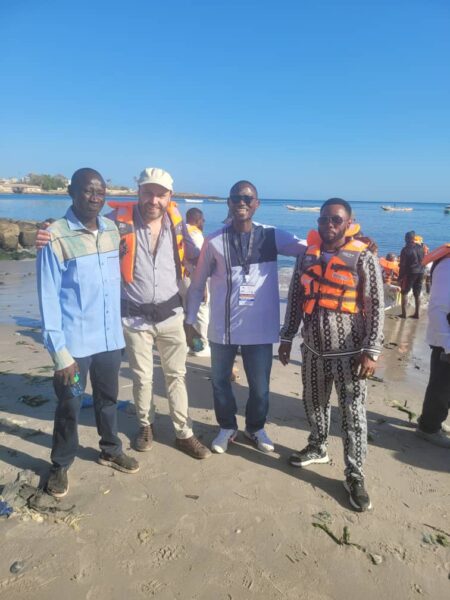
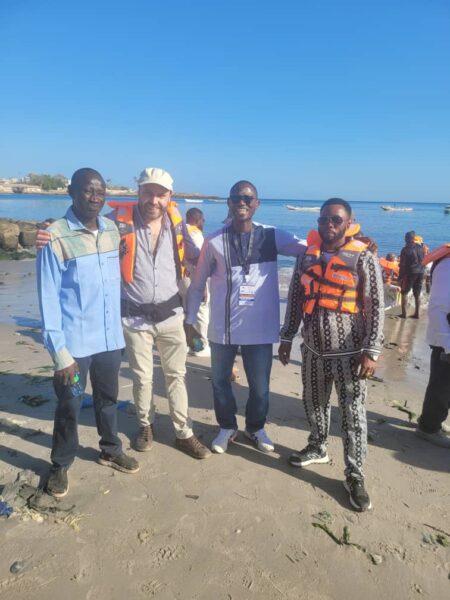
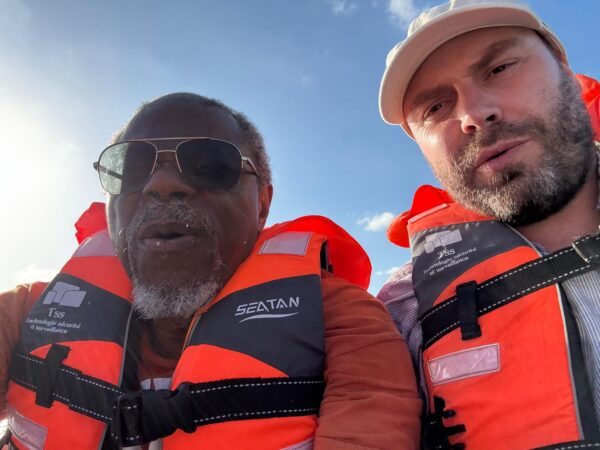
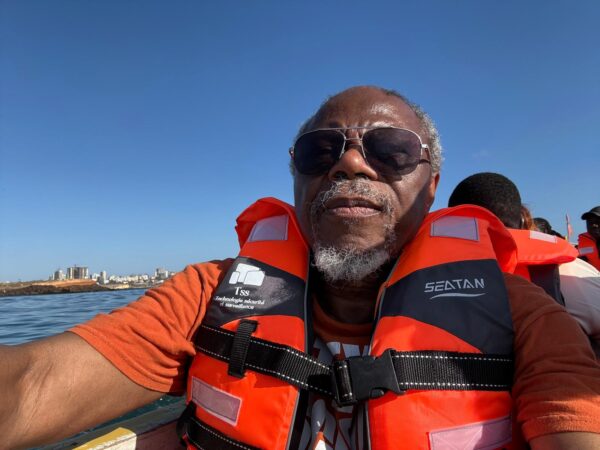
By incorporating with the conference, the practical experience by inviting and visiting boat makers, traveling on the sea, using boats, and by taking the participants to the beach, the Yoruba in me was triggered, with an homage to waterbodies, seen, unseen, secular and spiritual:
Spirits of the waters, I greet you with cool palms.
From the banks of the Niger River.
to the ancient memory of the Nile River,
You who carve history into earth’s body,
You who remember what humans forget.
Water, the breath of the world.
In your depths dwell the quiet elders,
those who speak in ripples and moonlight,
those whose names are older than iron,
older than the first drum that called a people home.
Water, bearers of secrets,
You carried canoes before empires had names,
You carried salt, kola, stories, and sorrow.
You watched as chains crossed your back,
Yet you did not forget the songs of return.
Osun, mother of sweetness,
Your gold flows not only in metal.
But in the laughter of children at your banks.
Yemoja, ìyá gbogbo omi,
Your vast breast nourishes both river and sea—
We bow
We bow again.
Do not be angered by our haste,
Our bridges that forget to greet you,
Our boat engines disturb your ancient sleep.
Forgive the fingers that pollute your clarity,
For they have forgotten that omi kì í ṣeré—
Water is never to be toyed with.
You are road and memory,
mirror and oracle,
The path between ilẹ̀ (earth) and ọ̀run (sky).
Through you, ancestors travel softly,
Through you, the unborn listen.
I write this with hands of reverence:
Flow gently through our futures,
Teach us again your patience,
Your endurance, your quiet power.
Let us not destroy you.
For when the waters withdraw their blessing,
The land forgets how to breathe.
Sacred waterways of Africa,
Keepers of time, Carriers of destiny—
Thank you.
Toyin Falola, March 26, 2026