
Shul-Nom Yohanna Bako
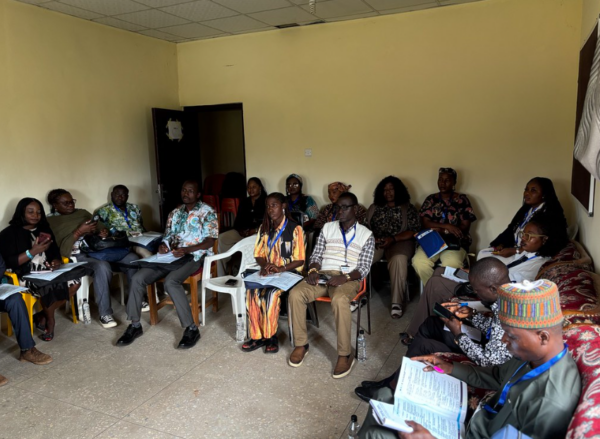
The 15th Toyin Falola Annual Conference on Africa and the African Diaspora (TOFAC 2026), held at the University of Jos, Nigeria, from 7–10 July 2026, was more than an academic gathering; it was a celebration of scholarship, intellectual exchange, and the enduring legacy of African knowledge systems. With the theme “Identities in Nigeria,” the conference brought together scholars, researchers, students, and public intellectuals from across the globe to interrogate one of the most dynamic and contested subjects in contemporary African studies.
TOFAC has established itself as one of Africa’s foremost intellectual platforms—a rare meeting point where emerging scholars engage with seasoned academics whose contributions have shaped historical inquiry and African intellectual traditions. It is a space where ideas are tested, perspectives refined, and academic networks strengthened through rigorous dialogue and mutual learning.
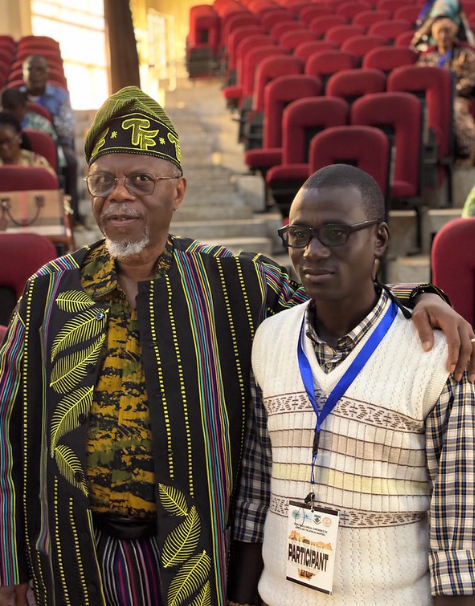
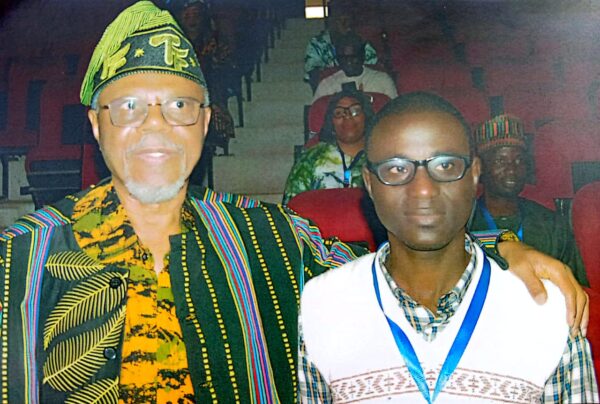
At the heart of this remarkable intellectual tradition is Distinguished Professor Toyin Falola, one of Africa’s most prolific and influential historians. Widely celebrated for his extensive scholarship in African history, Yoruba studies, diaspora studies, and global intellectual history, Professor Falola occupies the Jacob and Frances Sanger Mossiker Chair in the Humanities at the University of Texas at Austin, where he has mentored generations of scholars and significantly influenced the direction of African Studies worldwide.
With an extraordinary scholarly output comprising hundreds of books and journal articles, Professor Falola’s research traverses precolonial Africa, colonial and postcolonial transformations, religion, culture, identity, and the African diaspora. His celebrated memoir, A Mouth Sweeter Than Salt, exemplifies his rare ability to combine rigorous historical scholarship with literary elegance, thereby bridging academic excellence and public intellectual engagement.
A recipient of numerous international honours, including twenty-eight honorary doctorates, Professor Falola continues to occupy a leading position in advancing African-centred scholarship and enriching global conversations on history, identity, decolonization, and cultural memory. His intellectual legacy has transformed the study of Africa and inspired countless scholars across continents.
The conference theme, “Identities in Nigeria,” was explored through a rich array of thought-provoking panels and presentations covering diverse dimensions of identity formation and contestation. These included:
- Concepts, theories, and realities of identities in Nigeria.
- Religious and occupational identities in Nigeria
- Identity politics in Nigeria
- Gender identities in Nigeria
- Politics of place, names, and security architecture
- Majority-minority relations and indigene-settler issues in Nigeria
- Food, material culture, and traditional institutions in Nigeria.
- Urban and rural identities and festivals in Nigeria.
- Emerging identities Nigeria.
- Origins, migrations, and identities in Nigeria.
- Globalization and cultural appropriation in Nigeria.
- Language and identities in Nigeria.
These thematic sessions provided participants with a rich intellectual banquet, stimulating critical reflections on the historical, cultural, political, and socio-economic dimensions of identity in Nigeria. The quality of scholarly engagement demonstrated the continued relevance of interdisciplinary approaches in addressing complex national and global questions.
Beyond the academic sessions, TOFAC 2026 reflected an exceptional spirit of generosity and institutional collaboration. The conference received valuable support from the University of Texas at Austin, the University of Jos, the Jos History and Culture Society, and the Plateau State Government. In a remarkable demonstration of his commitment to knowledge dissemination, Professor Toyin Falola generously donated conference bags and 150 copies of books published in 2026, distributing them freely to participants. Such gestures underscore his unwavering dedication to mentoring scholars and expanding access to academic resources.
Special commendation is due to Professor Sati Umaru Fwatshak, whose exceptional leadership and commitment greatly contributed to the success of TOFAC 2026 as LOC Chairman. It is particularly significant that Professor Falola dedicated his book, African Identities: Absence, Loss, and the Quest for Self-Definition, to Professor Fwatshak in recognition of his enduring commitment to scholarship and our shared humanity. Equally deserving of praise is the entire Local Organising Committee and staff of Department of History and International Studies, University of Jos whose meticulous planning and hospitality ensured a seamless and memorable conference experience.
In retrospect, TOFAC 2026 reaffirmed that the study of identity remains central to understanding Nigeria’s historical evolution and contemporary realities. More importantly, it demonstrated that scholarly dialogue continues to serve as a powerful instrument for promoting mutual understanding, preserving cultural heritage, and advancing knowledge production.
To describe Professor Toyin Falola as an institution in himself is neither an exaggeration nor a mere tribute; it is an acknowledgement of an extraordinary scholarly career that has profoundly shaped African historiography and inspired generations of intellectuals.
As I departed Jos, I carried with me not only new book and academic insights but also renewed inspiration. From the sacred landscapes of my ancestral homeland in Nok, Southern Kaduna—where the memories of Kpop Ku, the Shatiro Women’s institution, and the sacred groves, caves, and shrines continue to embody the richness of our cultural heritage—I extend profound appreciation to Professor Toyin Falola, the organisers, sponsors, and every contributor who made TOFAC 2026 an unforgettable intellectual experience. May such platforms continue to flourish, nurturing future generations of scholars committed to preserving, interrogating, and advancing Africa’s histories and civilizations.
Impressive. Toyin Falola is an institution!
Is an institution that is out to shape great minds in history,such minds will also affect younger generations coming behind.long live TOFAC.