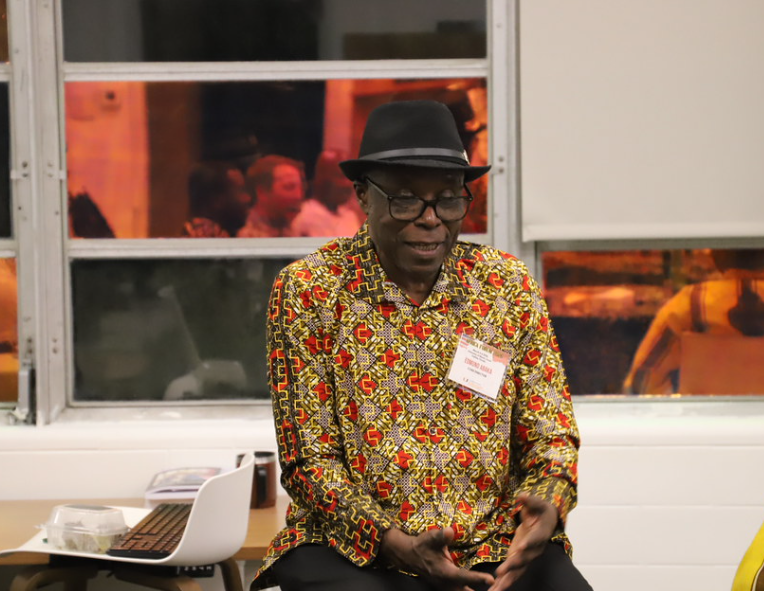

Toyin Falola
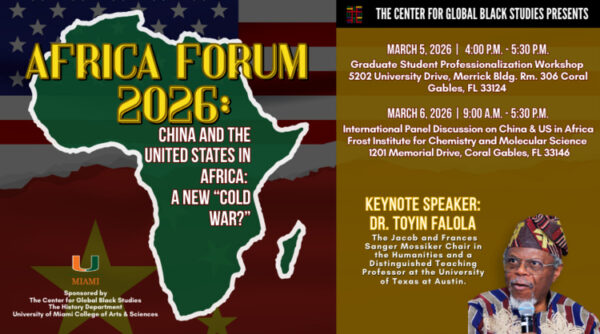
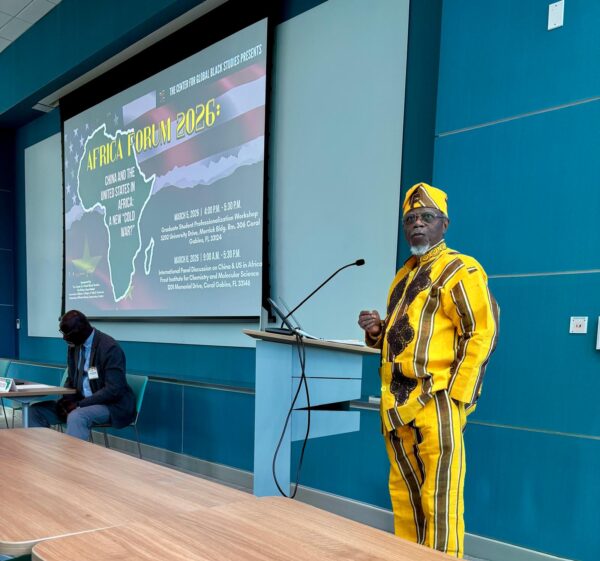
The 2026 Africa Forum at the University of Miami focused on the significant roles of China and the United States in Africa, which Professor Edmund Abaka, the capable organizer, described as “a new Cold War.” The conference drew knowledgeable and distinguished scholars who presented insightful papers on this subject. I was honored to deliver the Keynote Address. In two related pieces, I will reflect on the outcomes of this major conference.
Africa has become a key area of strategic interest in the 21st century. It is currently caught in the rivalry between China and the United States—a competition for influence over what can be called the “prize of Africa.” However, this story overlooks an important point: Africa and its countries are active players with significant roles in shaping the rivalry between the U.S. and China through promoting African goals and safeguarding their interests. African governments do not fully side with either power; instead, they follow different strategies to protect their sovereignty and maximize benefits from both nations. In simple terms, they use one country to counterbalance the other.
African governments lack loyalty to Beijing or Washington. Instead, they build relationships with both nations while basing their foreign policies on national development priorities. For example, countries like Kenya, Ghana, and South Africa have collaborated with China on infrastructure projects, but when it comes to security partnerships, trade agreements, and diplomatic relations, they turn to the United States. This approach to foreign relations demonstrates Africa’s traditional autonomy, which has been prominent since the start of the postcolonial era.
Through intellectual development, there is evidence of how the African government benefits from the U.S.-China rivalry. China is a major player in Africa’s infrastructure development, especially through the Belt and Road Initiative and institutional frameworks like the Forum on China-Africa Cooperation. With Chinese financing, Africa has gained from the construction of roads, ports, railways, and technology. The U.S. has also helped Africa through programs like Prosper Africa and the International Development Finance Corporation. African governments conduct simultaneous negotiations with both sides to secure technical support from one and loans from the other. This bargaining approach allows them to diversify development strategies and achieve better financial terms without over-reliance on any single partner.
However, for Africa to truly develop, it cannot base its ambitions solely on the rivalry between these countries. Africa can also grow through regional and multilateral institutions. These create an alternative to development driven by “Sino-American” rivalry by strengthening African agency. The activities of organizations like the African Union enable African states to coordinate policies and negotiate with global powers as a unified front. Other platforms, such as the U.S.-Africa Leaders’ Summit, also give countries the opportunity to negotiate with global powers (the U.S.) on equal footing. This offers security for African states and further reduces the risk of bilateral dependency while boosting continental priorities.
The continent must establish an agency driven by its economic momentum and regional integration. Frameworks like the African Continental Free Trade Area (AfCFTA) are progress in the right direction for African-led development. The initiative enables the creation of a unified market system across Africa. This boosts the potential for intra-African trade, and when strengthened by regional supply chains, it could lead to the gradual reduction of Africa’s dependence on external markets and increase the continent’s bargaining power in the global economy.
Besides a unified market system, regional and multilateral institutions, Africa can still look inward and drive its development through entrepreneurship and technological innovations. African cities like Lagos, Nairobi, and Kigali are rapidly becoming technology hubs where start-ups and digital platforms are emerging, shaping finance, logistics, and communication. These developments highlight how African states are leveraging technology as a pathway to progress in economics, society, and politics, aligning with the African Union’s transformation strategy. The continent’s demographic trend—being the youngest in the world—may be its greatest catalyst for growth. This young population has the potential to influence economic innovation, political activism, and cultural creativity. Engaging young Africans in these sectors can significantly contribute to Africa’s transformation.

Beyond its economy and diplomacy, Africa can also advance through its knowledge systems and culture. African scholars have continually examined and challenged the Western worldview, while advocating for the adoption of African ideologies to generate knowledge. Producing knowledge through African methods can further strengthen a decolonized intellectual movement on the continent and help foster innovations that reflect the realities of African societies, supporting its development goals. Additionally, African culture offers opportunities for Africa to grow and shape global conversations. This can be achieved by projecting new and positive narratives through literature, music, film, and crafts. These expressions can help dispel negative labels associated with Africa and showcase its commitment to development.

Africa’s experience during the Cold War gave the continent a blueprint for navigating today’s geopolitical landscape. During that era, Africa became a battleground for proxy wars between global powers, often at the expense of African development and sovereignty. As a result, today’s African governments tend to be more cautious and avoid choosing sides in international conflicts. Cold War experiences help Africa today as it redefines its role in the global order while managing tensions between two powerful nations.
The rivalry between the U.S. and China does not confine the continent to relying solely on geopolitical dependence. Instead, it creates opportunities for Africa as its governments adopt pragmatic diplomatic strategies and strengthen continental agency. This enables the gradual shift of rivalry between global powers into African development.
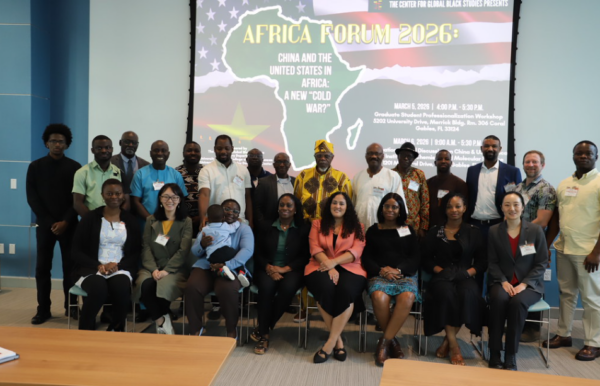
I concluded my Keynote Address by stating that Africa’s future will not be shaped by China or America, nor will it be defined by their current rivalry or conflict. Instead, it will be determined by the efforts of African leaders, scholars, entrepreneurs, and youth as they continue to reinforce Africa as the architect of its own destiny.
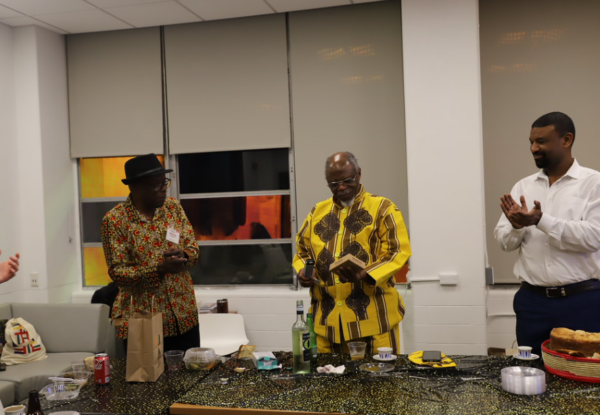
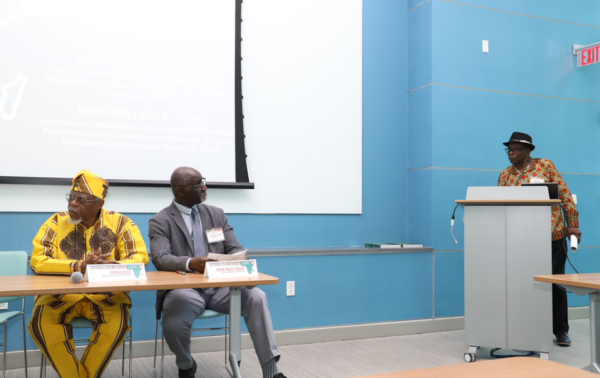
Photos: Falola in Africa Forum 2026, Miami, Part 1
https://www.flickr.com/photos/toyinfalola/albums/72177720332405022
“Africa’s future will not be shaped by China or America, nor will it be defined by their current rivalry or conflict. Instead, it will be determined by the efforts of African leaders, scholars, entrepreneurs, and youth as they continue to reinforce Africa as the architect of its own destiny.” TF
I am going to change the negative modal verb “will not” to the auxiliary verb phrase (modal) “should not.” While I appreciate your optimistic position here, the question is do we, Africans, have the courage and resolve to determine our collective destiny? The answer, my friend, is blowing in the wind. Great presentation. Thanks a bunch!