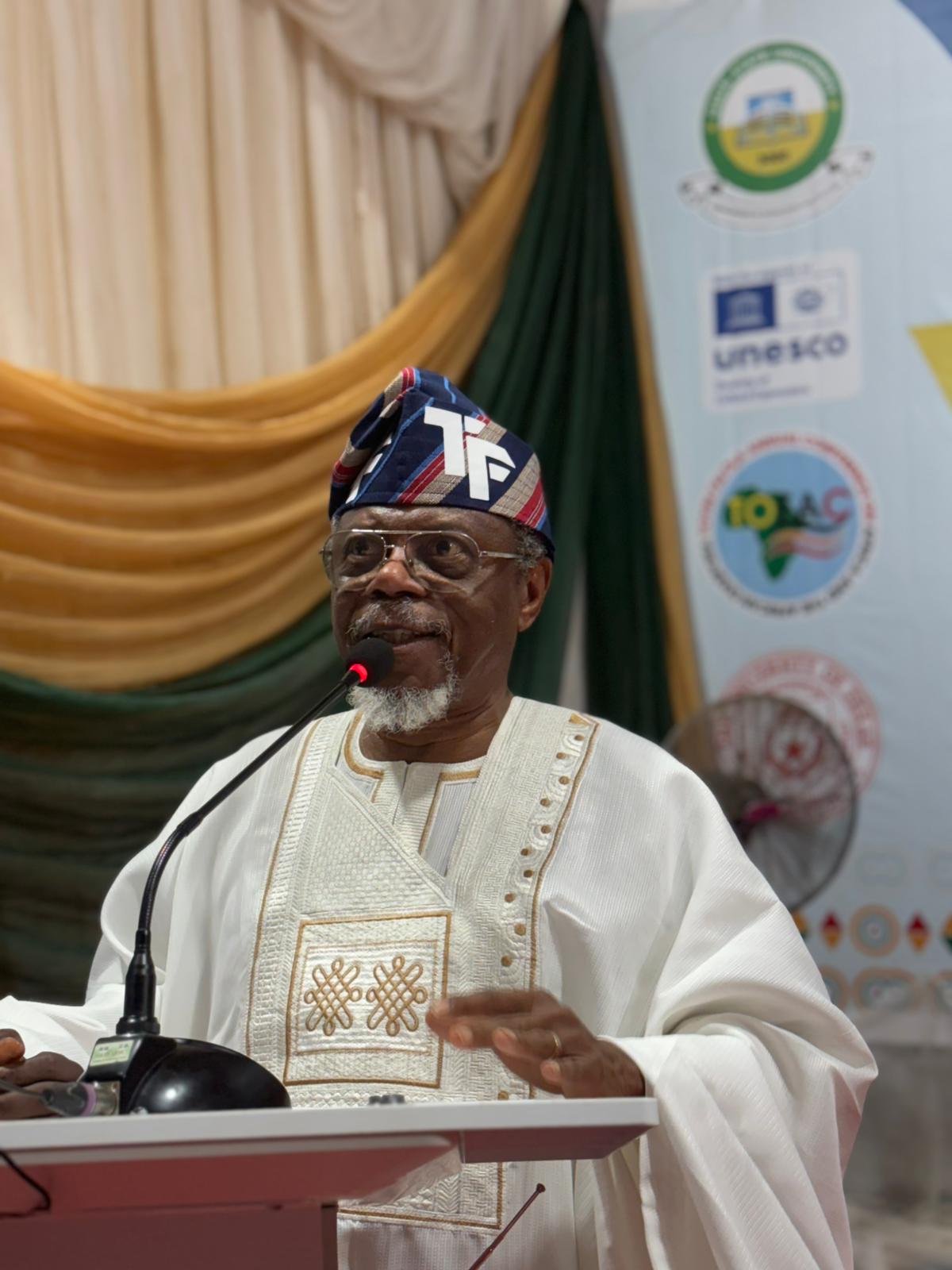

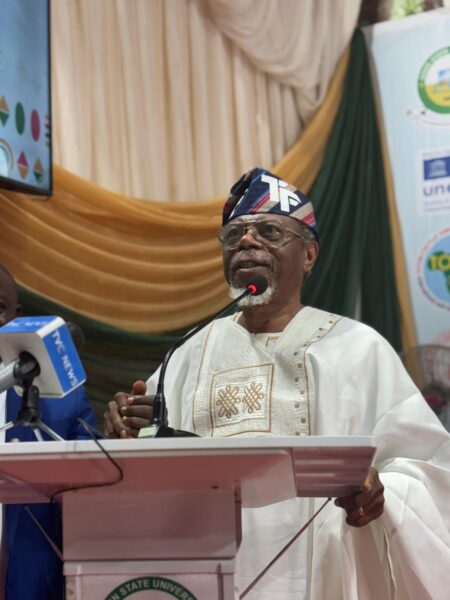
Toyin Falola
First, I would love to offer my appreciation for the opportunity to give a speech at TOFAC 2025. It is not a usual occurrence that one gets to talk to a group of brilliant minds, artists, cultural custodians, professors, and community builders. These individuals all make efforts to keep Africa’s memory, dreams, and future alive. I want to talk to you about something that we all have within of us today. We forget how strong it is but, it is such a big part of our life. That thing is what we call culture. I am here to tell you today that, “Culture matters”.
This is not just an academic conference and even though this space is filled with curious minds, this space is also for the celebration of something deep – our culture. When I speak of culture, I do not mean this in the limited “we like our food, our music, our dances and our beautiful fabrics” kind of way. Although these are also important expressions of culture, I am talking about culture as a system of understanding, as navigation, and as a foundation of identity. Culture is not just about nostalgic of the past, but as a force that shapes how we perceive ourselves, how we relate to others, how we approach challenges, find solutions and even how we plan.
Culture is the basis of our identity. Our culture is in the languages we speak, the way we play drums, and the way we dance. The unwritten script that tells us what to do. It affects our behavior, what we value, our goals, how we welcome people, how we exhibit love, how we grieve, and even how we lead. Culture gives us name. This is more than simply the name “bear.” It is also the meaning behind names. It affects how we feel about being part of something. It tells us about the history of the community that goes beyond that of kings, their kingdoms, and empires. It tells us about the regular people whose songs, occupations, festivals, and rituals made the place come alive.
When an African youngster learns a proverb, they do not simply learn words; they also gain wisdom that has been passed down through the ages and improved. Folktales about the clever tortoise, the hare, or Anansi the trickster spider teach kids about being smart, being careful, being fair, and what happens when you do something wrong. According to Lippmann “Culture is the name for what people are interested in, their thoughts, their models, the books they read and the speeches they hear.” This reinforces the thoughts that it is also the inherited silences, the understood gestures that needed no formal education and the idea that culture is not circumscribed with just the past as it deals also with the present and how we plan.
In a continent as diverse as Africa with more than 3,000 ethnic groups, a thousand languages, and countless philosophies, culture serves as the institution that helps us make sense of our differences. Through culture, diverse people can learn to live together in peace, we are able to understand that greeting a stranger in Ghana is different from doing so in Ethiopia. That silence can mean respect in one culture, and in another, it may mean disrespect. That to touch someone’s head may be an act of affection in one culture and be an offense in another, that greet elders on without prostrating may be the norm in one culture but be frowned upon in another culture.
Culture is found in communication. It shows us when to talk, when to listen, and how to read between the lines. It shows in the way we talk, move, and stay quiet, as well as in our metaphors. Cultural literacy is a very important tool for settling disputes in communities that have been through a war and for diplomatic relations between countries. Not understanding culture is the same as not comprehending intentions. But when people understand one other’s cultures, they may trust each other more, stop misunderstandings, and make alliances that work.
Culture is not just about preservation. It is a catalyst for creativity. Look at Nollywood, that is one of the world’s largest film industries. Look at Afrobeat and its global reach, the local fabrics in global fashion, the art of storytelling that has now morphed into graphic novels, podcasts, animations. Culture feeds innovation. When a filmmaker draws inspiration from traditional beliefs to create futuristic themes, when the motifs from Ife bronzes or Ndebele murals are brought into the designs of a digital artist, we are witnessing a continuity of culture. The creativity of culture is not abstract, it fuels economies by creating jobs, attractive tourism and promoting pride. When creative companies do well, they do not just create entertainment; they also hire people. They make work important and show the world that Africa is not simply a place where people consume global products, but also a place where beauty, significance, and originality are created.
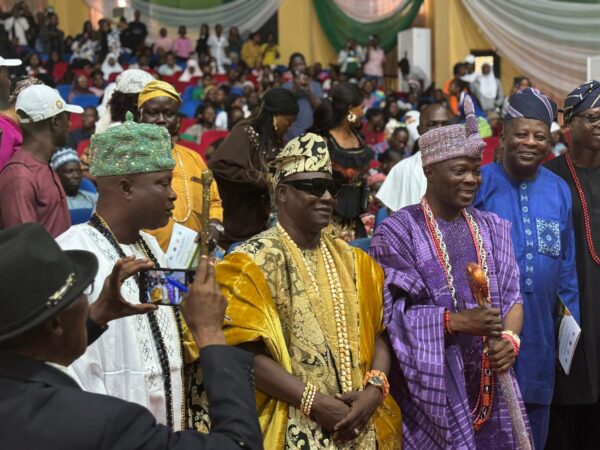
Throughout history, colonizers did not just take the African land. They tried to erase the African culture. They changed African names, outlawed African languages, made mockery of African religions, and imposed foreign systems. They did all of these because they understood that to capture a people, you must destroy their culture. Culture hence is a tool for political power. Our ancestors resisted the colonizers not always with weapons but many times with language, with rhythm of their drums, with their knowledge of culture. In the present day, symbols of culture like statues, official languages, holidays are still political tools. They pass across messages about who belongs, who matters, who is remembered. That is why decolonizing African education, literature, and public space is not merely symbolic but a fight to reclaim cultural dignity.
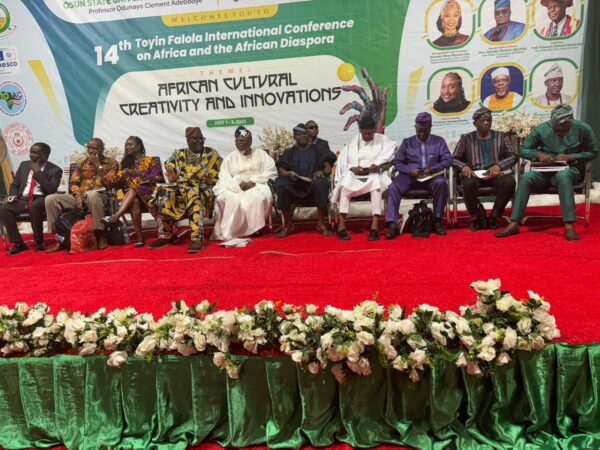
Culture plays a role in development. When development projects are initiated with minimal or no understanding of the culture of the people they aim to help. The result is often failure, resistance and waste. On the other hand, when development respects and incorporates local cultures, when traditional practices are seen valid knowledge systems instead of as mediocrity, the people feel seen then, the ground becomes fertile for development and progress becomes achievable and sustainable.
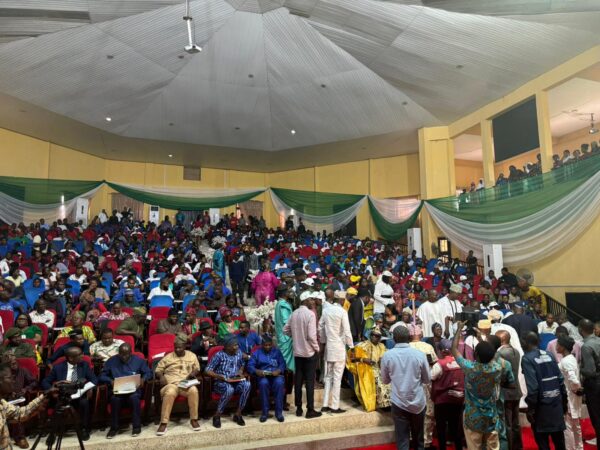
Culture is a vehicle of progress, not a barrier to success. Take for example, the African philosophy of Ubuntu “I am because we are,” which centers community, shared humanity, and mutual responsibility. This is a radical departure from the hyper-individualism that pervades so much of the world’s culture. Success is shared as is pain. Ubuntu is a compass that a world splintered by greed is so in need in need of cultural restoration. Culture serves as a reminder. Culture is how we remember who we are. Culture is where we have been, and where we are and where we are going. It is how we grieve, through song or ceremony or silence. It is how we honor those who have been lost. It is how we pass on our history to our children, and how we sustain our history. To lose culture is to lose a part of ourselves. But to protect culture, to invest in it, to learn from it and to pass it on is an act of survival. It is resistance. On this note, I return to my opening statement, “Culture matters” Let us keep it alive, not just for ourselves, but for the many generations to come.
PS: Welcome Speech at TOFAC 2025, Osun State University.