
Toyin Falola
And then come humans…
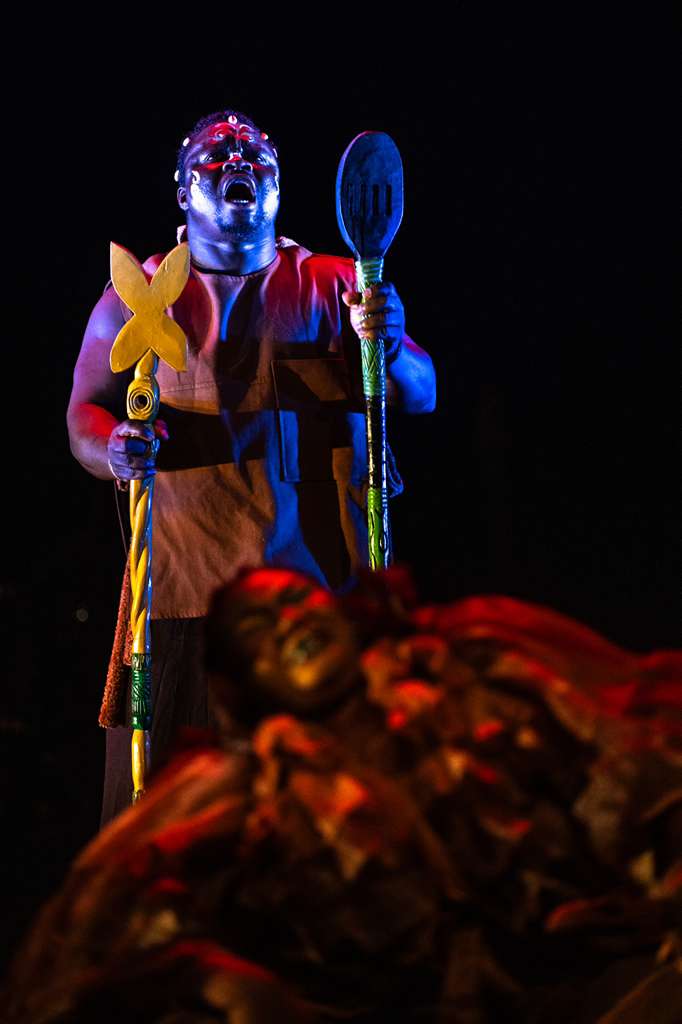
Let me match the esoteric plier, entendre, elancer, relever, glisser, sauter, and tourner created by Qudus Onikeku to match their metaphysical implications, the hidden cosmic forces, and the internalized cosmologies. I noticed all, swapping the entertainment factor as I watched with the density of meditative thought. If the dance does not always reveal its deeper meanings, my textualization will also create the ambiguities to match. For now, I deliberately refuse the path of ruptures, if only to solidify the spirit of the non-humans.
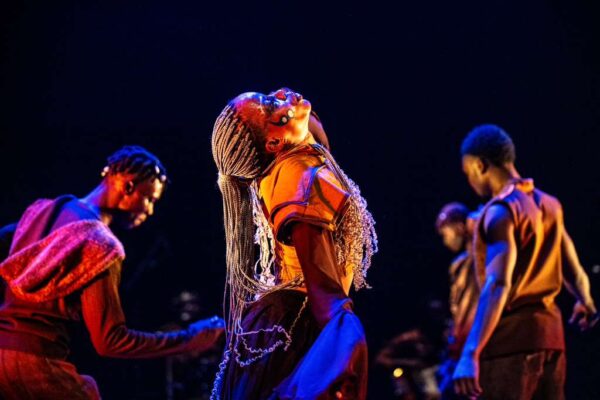
The universal energies attained an indestructible harmony and sustained it until humans entered the scene, showing the fragility of the inter-terrestrial systems. It was an unknown human whose unguarded desire for control, the anthropomorphic arrogance in him, and the central character syndrome in his body system, that brought the habitable planet to unprecedented damage. Before the ascendancy of humans into the universe, I guess that the level of dance in it was expressed in the interstellar harmony that produced a social symphony, allowing the universe to remain orderly and organized and to enjoy uninterrupted balance for a long time. Onikeku disambiguates the order and the harmony as foundational to the plots.
As already mentioned, to dance is to provoke biological properties to make efforts that facilitate movements; however, dance became susceptible to external influences and control to the extent that human activities disrupted the arrangement of universal energy and systems. Knowledge of the ancient Yorùbá shows, however, that the regrouping of the universe by deliberate human efforts would always produce a specific result that may otherwise not be desired. It would nevertheless reset itself, as Onikeku tries to assure us, in a manner that aligns with supernatural intentions. For example, when humans act, the laws of physics state that it would provoke an equal reaction in the universe, even though they have no idea what that reaction would be, where it would occur, or how it would manifest. For that reason, the actions of people centuries ago are understandably provoking a reaction we now experience. Thus, the dance links the past with the present.
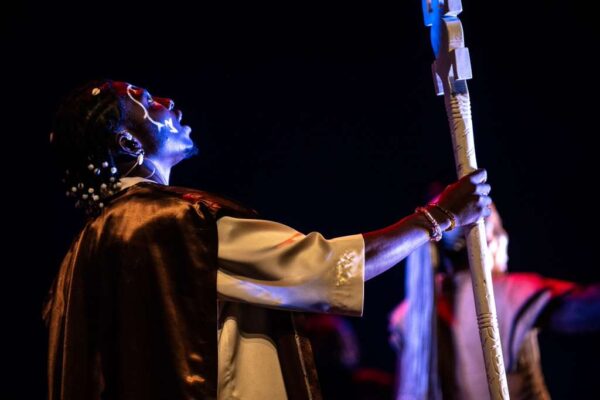
Ifá shows that the elevation of the Òrìsà to an exalted position is meant to create a mutual relationship and understanding between the human and metaphysical universe so that the actions and activities of the former would not bring destruction to the latter. The Òrìsà belong to a supernatural system that cannot be directly affected by the unguarded actions of humans, because they are wired to operate at a frequency that humans cannot access until they transition. The dance creates a transition of steps not just as mnemonic devices but as epistemological statements. However, the forces, the supernatural beings that are ordinarily designated to serve specific purposes in the universe, have the authority over their areas of strength, where they can influence the functions in significant ways. For example, Olokun, put in charge of oceanic affairs by Elédùmarè, has the power to respond to stimuli initiated by the human family.
In essence, every resource that lurks in the water and is greedily excavated by humans for parochial purposes is a strong moral reason for Olokun to protest. The same thing can be applied to Sango, which is meant to generate electrical currents using atmospheric systems as the power source. Meanwhile, humans have demonstrated enough greed to understand that not only are they unreliable in protecting the integrity of the universe, but they also lack the discipline to set boundaries on how much they can take. The universal energies indeed respond to all manner of human excess, and that continues to hurt the universe in different dimensions, such as climate change, volcanic tremors, and other natural disasters.
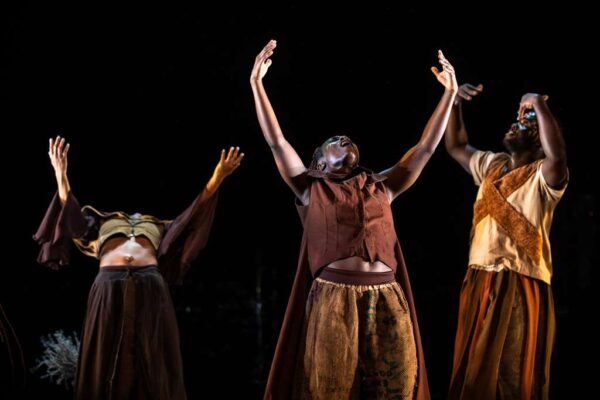
The ascendancy of humans, therefore, shows how obsessive humans can be in their desire for exploitation. Perhaps it has never been imagined that a group blessed with the ability to self-reflect and self-evaluate could be driven to take actions that would invite untold hardship on them. The possibility of human excess shows that humans can self-destruct through unguarded actions. Ifá warns, for example, that nature is saturated with natural resources, so much so that humans will mistake its excess for being unlimited. When humans see a large deposit in the heart of the earth, they want to exploit it until it is exhausted.
Meanwhile, they often do not have any moral reason for the excess that they extract from Mother Earth. Evidence shows that they extract more because they wish to satisfy their desire, at the base of which is an inexplicable greed. When these resources are extracted beyond repair, the chains of reaction in the human world become evident, magnifying the tragedy. A more powerful group of people begins to imagine everything from the perspective of material assets, which, they believe, can be exploited and perhaps compensated. Starting with the humans themselves, they disagree at every turn and immediately seek to determine how the less powerful can become victims in the ongoing events. It was believed that technological superiority should serve as the basis for exerting power over others. We, therefore, cannot underplay the destructive tendencies of such individuals.
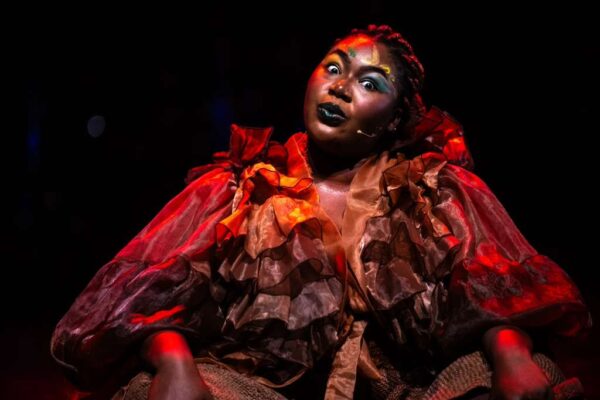
The forest, which was earlier managed by a universal force identified by many groups as keeping forestial serenity, now becomes the urgent target of capitalists who want to use whatever resources it contains for purposes that serve only limited ends. Of course, capitalist thinking would lead some humans to believe that, for humanity to continue unabated, the universe’s resources must serve their purpose. And that right there explains the danger of anthropomorphic thinking, because it suggests that humans are at the center of the universe and that everything in it must serve their greed. This thinking, ironically, advanced the Industrial Revolution worldwide and brought humanity to an unprecedented height of revolutionary ideas. It is, however, ironic that advancement is the very beginning of human tragedy.
Due to massive deforestation, the dwellers of the forest became unsafe, to the extent that whatever they produced for the physical universe to enhance its free-flowing was not carefully managed. For instance, if the forest provided a cool breeze or increased oxygen, deforestation would reduce those qualities, simply because humans have extracted all the elements in the bush that produce the ingredients for creating those values. What about the herbal potential lurking in the forest? The continued hacking of the forest will erode these things over time. Humans continued in their selfish desires, and nature shrank in its supernatural responsibilities.
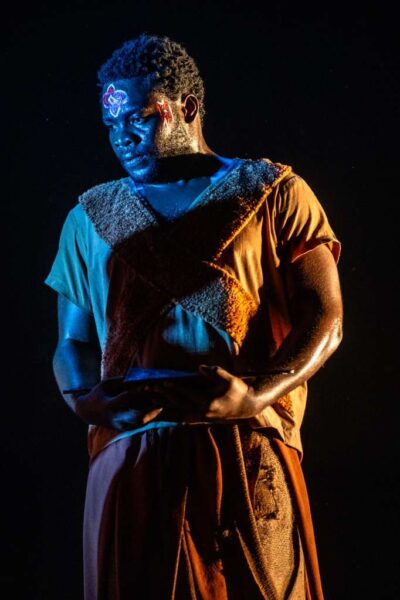
Modern-day human greed has been wrapped in ideological garb, making it appear appealing to many despite its hollowness and underlying destructive tendencies. Called capitalism, human greed has found suitable expression in different forms, all to manipulate the unassuming public into accepting their disingenuous or selfish desires. It is all about the powerful eating up the powerless. For a long time, the manifestation of the greed is seen practically in all facets of our collective existence. Capitalism has necessitated the aggressive taking over of the sea, as we now draw aquatic resources for personal greed; we have taken over the sky as airplanes now fly emitting a very toxic gas into the space, fly airborne bombs that further endanger the energies in the sky; we have taken over the jungle to extract tusks from elephants, thereby depleting the forest strength; we have taken over the land by creating industries where cars are made, emissions are found and other detrimental problems which humanity now collectively face.
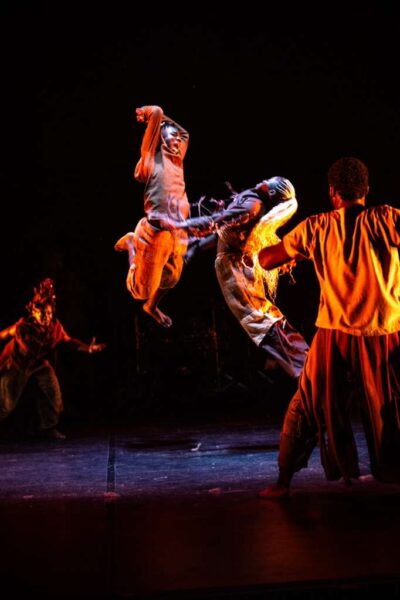
The implications of human greed are boundless. If anything, they have become so accustomed to destructive or dangerous undertakings that they do not understand how much they are hurting the universe, not only for themselves but for other innocent creatures that do not have the power to manipulate the universe as humans are doing. The danger is all-encompassing. Whether you are human or not, climate problems threaten the collective existence of the human family. Poor medical conditions are rife because of our selfish desires. Aquatic challenges are increasingly on the rise due to unchecked greed. Onikeku resolves the problems in an esoteric manner, perhaps telling us that redemption is possible.
Wow
The information contained in this article is way too much for me to take in. It’s nothing like I’ve ever read before. I strongly appreciate more of this. I’ll definitely come back over again on this.
Keep stirring up the human minds.