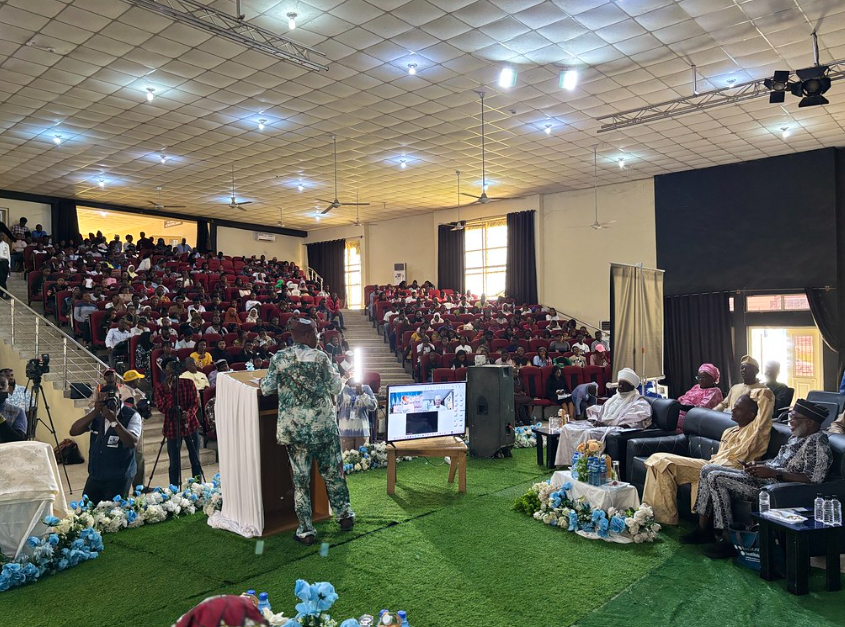

Toyin Falola
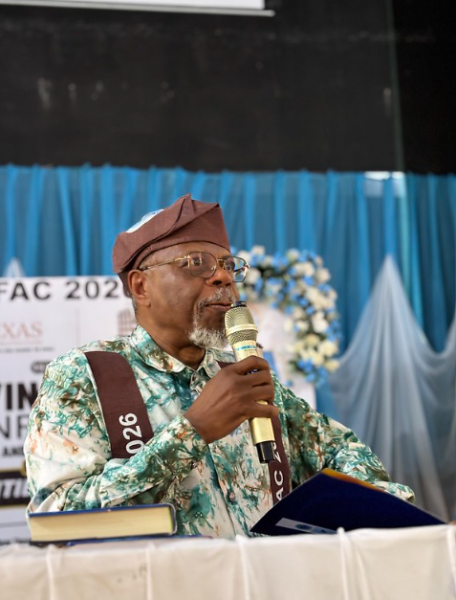
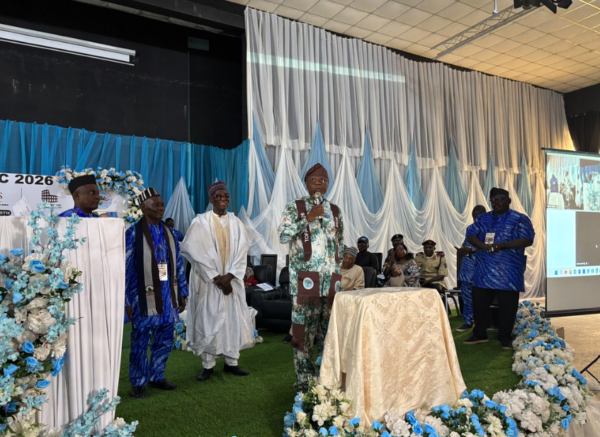
Since its inception in 2011 at the University of Ibadan by the Ibadan Cultural Studies Group, the Toyin Falola Annual Conference on Africa and the African Diaspora (TOFAC), has become a popular platform for scholars, policymakers, and thinkers to gather and discuss the advancement of Africa and its diaspora – by investigating the past, analyzing the present and imagining Africa’s future especially in the rapidly interconnecting global system. The 2026 edition of this annual event is set to hold from 7th to 10th of July at the University of Jos. The theme, Identities in Nigeria, becomes the point of discourse as a matter of high importance, especially with the current situation of the country.
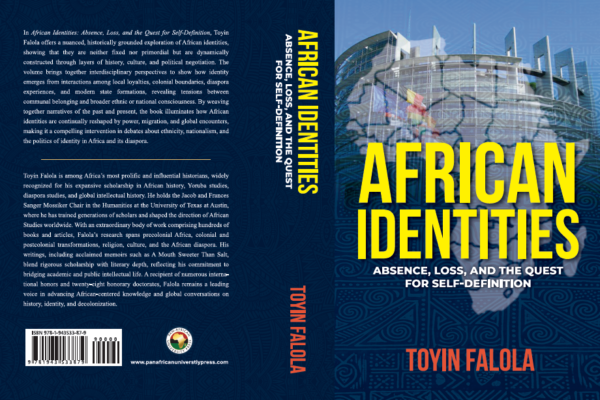
This edition of TOFAC is special as it features a book, African Identities: Absence, Loss, and the Quest for Self-Definition, dedicated to its theme. In this book, intellectual positions are investigated and realigned from its bold proposition that what has been popularly regarded as African identity may have emerged as a singular entity due to the machinations of external forces that imposed it to exploit the continent. This book aligns with the goal of TOFAC, which seeks to consistently investigate popular external narratives and positions that have been presented on behalf of Africa. The book’s argument that African societies before European contact had diverse cultures, languages, and identity systems thus, different identities- further aligns with the goal of TOFAC and the theme of TOFAC 26’.
In past TOFAC events like TOFAC 25’, Professor Toyin Falola – the grand erudite of this intellectual platform has argued that colonial efforts to completely erase African culture have failed due to the continued implementation of indigenous language, music and philosophy in the daily activities of Africans in the motherland and the diaspora. He describes this as preservation of identity. This description is further expatiated in this book dedicated to TOFAC 26 ’, where it is revealed that African societies were detached from their culture/identity in the colonial era. It also further states that in instances where African culture survived in this period, it was presented through altered mediums, which influenced how Africa has come to be perceived by Africans and the world.
With its case study being the state of Nigeria, the book lends strength to the theme of this year’s discourse with a focus on how colonial powers were able to derive a unified Nigerian identity using the same template that was implemented for the creation of the African identity. The unified identities were derived through the creation of artificial boundaries, elevation of ethnic groups above others, and implementation of foreign languages, especially for education and bureaucratic purposes. It further reveals how the unified identity created by Europeans has caused divisions within groups in the postcolonial era and how the activities of political elites have further entrenched these divisions. Thus, for the TOFAC 26’ discourse, this book encourages critical thinking toward the creation of more inclusive frameworks that would prioritize shared citizenship and collective progress of the country.
The book also scrutinizes Plateau, the location of the TOFAC 26’ event, from the perspectives of how different cultures, religions and peoples have organically derived identity frameworks in the state and how political elites have politicized identity to cause clashes between various groups over land ownership, religious belonging and so on. It assesses these developments from the perspectives of precolonial Africa, where identities emerged organically through consistent communal interaction and morality, while also assessing the activities of the political elites from the perspectives of the colonial masters. This brief return creates a better comprehension of Plateau State’s current situation and thus avails policymakers and scholars a springboard to derive futuristic identity mediums for peace and prosperity. Solutions like this can become blueprints for the development of organic Nigerian and African identities – freed from forced uniformity, enhanced by plurality yet not bound in time.
At TOFAC gatherings, a theme that has remained recurrent is that of how colonial legacies and structures have continued to influence African institutions and actions even in the contemporary era. In its discussion of African identity, this book echoes the theme as it reveals how externally derived African identity has caused the repression of indigenous consciousness and left African people trapped in a state of trying to reconcile competing identities. It states that this problem persists even in the postcolonial era because the political elites have maintained colonial structures in all aspects of African life. From this foregoing, this book sets the mood for all scholars present at this year’s event to begin having thoughts around the development of culturally grounded frameworks for the development of Africa and the generation of new identity frameworks.
Going further, this book contributes another perspective to the discourse of identity by stating that the crisis of identity in Africa, Nigeria and Plateau are ongoing condition that needs to be constantly investigated and modified. It states that the major problem of African identity is a fight between its absence and its assertion, which has been complicated by another fight – this time, between inherited identity frameworks and Africa’s desire for authentic self-definition. Just like TOFAC’s submission for movement beyond binary oppositions, the book looks toward presenting identity as a dynamic concept that evolves with time. It also goes on to state that the evolving African identity does not happen only with the denouncement of colonial structures or with a return to precolonial mediums, but rather through the combination of both extremes for the creation of something dynamic and novel.
To achieve this, the importance of Africa’s intellectual freedom is brought to the fore. Here, the argument is that the future of Africa is hinged upon the restructure of mediums of knowledge production, validation and dispersal. This means the acknowledgement of African languages, histories and philosophies as archives of knowledge and their integration into global conversation as equal to other mediums of knowledge. In summary, this book states that epistemic transformation plays a key role in genuine self-definition – just as Professor Falola has also once mentioned that Africa’s development must be informed by its culture and that the omission of indigenous values in the development process will breed failure.
TOFAC 26’ is a discourse around ‘identities’; a book like African Identities: Absence, Loss, and the Quest for Self-Definition does more than complement this year’s theme. It challenges the TOFAC audience and its readers to engage with identity from a new perspective – as a philosophical and ethical duty. This perspective aligns with TOFAC’s mission to create avenues for intellectual innovation and critical thinking.
This is timing especially with the threat of continued erosion of African cultures and identities through increasing neocolonialism.One way to challenge this reality is to decolonize African knowledge by crafting and dispersing African histories and philosophies in their original format .
What a phenomenon!