
Toyin Falola
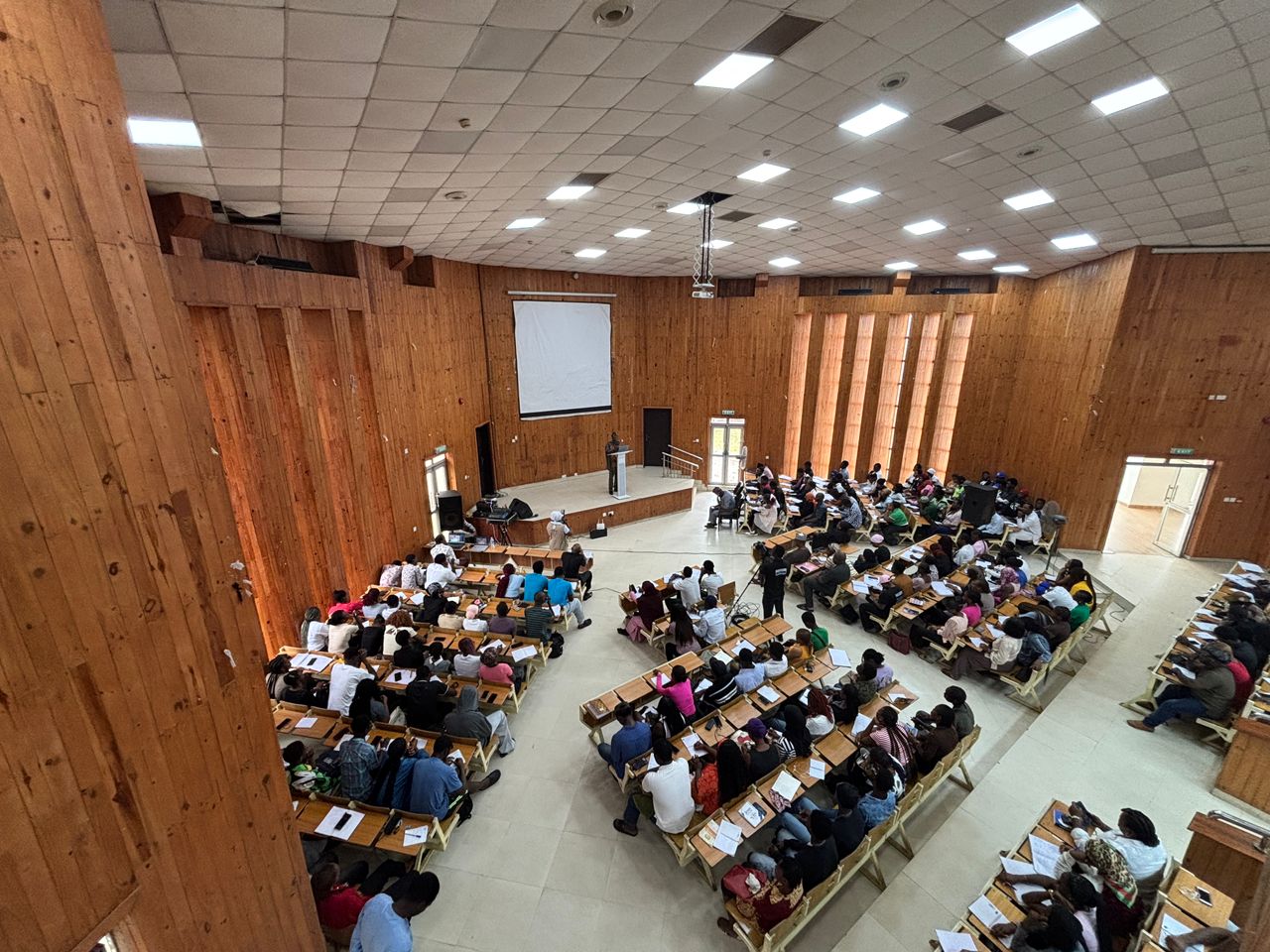
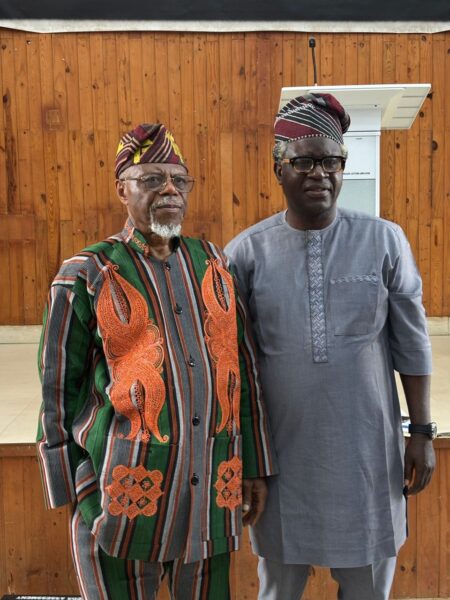
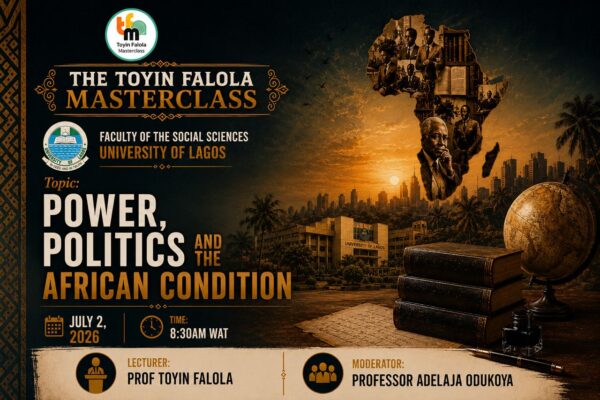
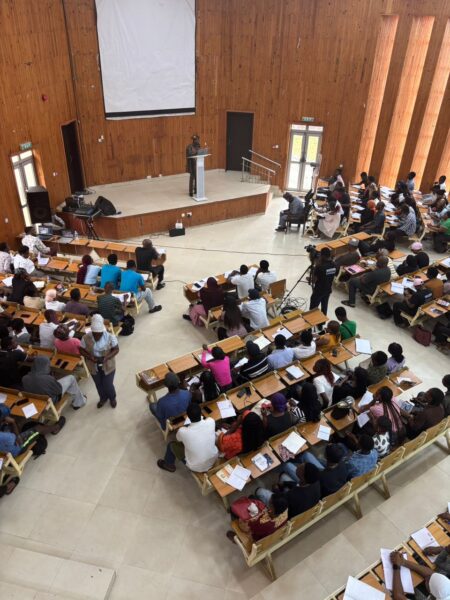
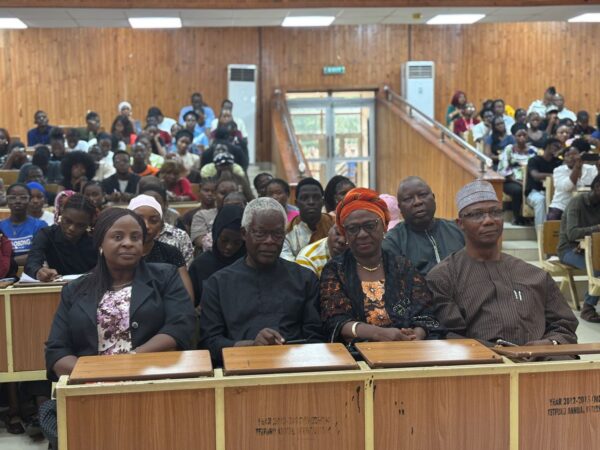
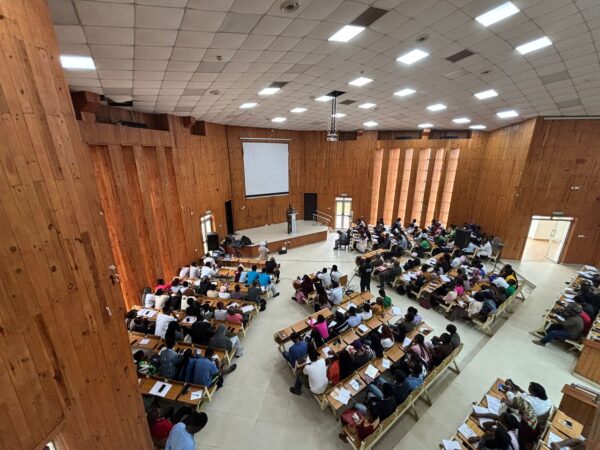
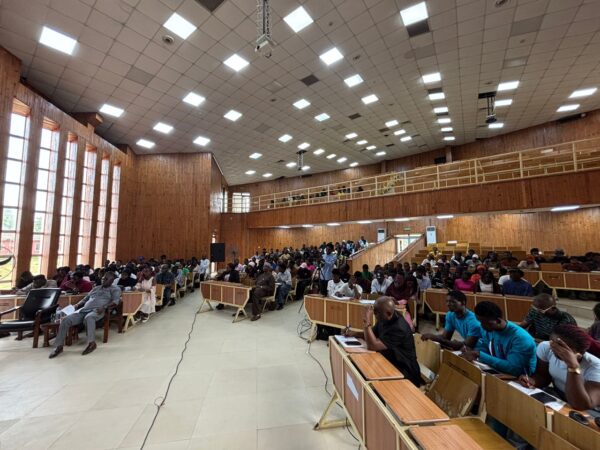
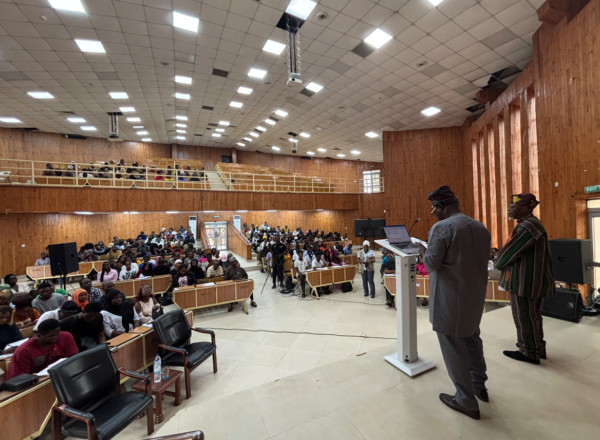
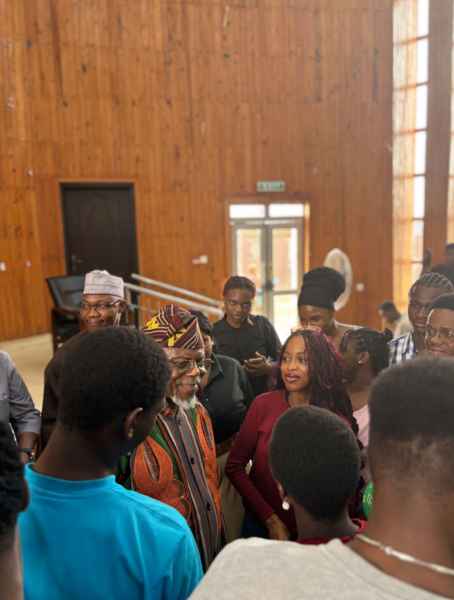
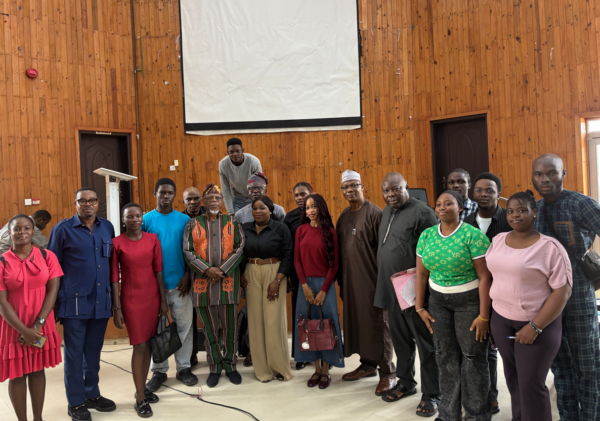
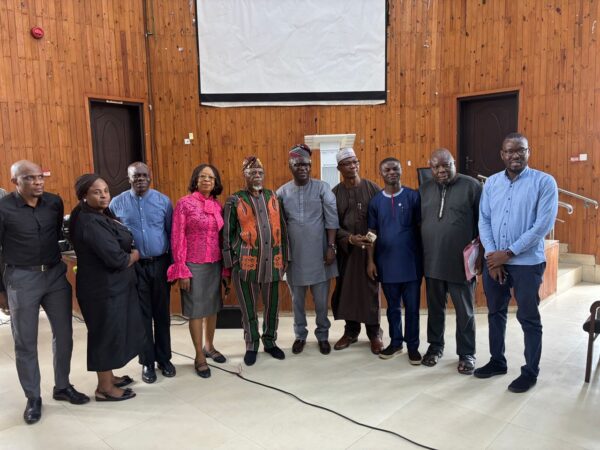
This short piece is part of the Masterclass delivered at the University of Lagos on July 2nd, 2026. Public pressure insisted that I circulate part of its contents. Three hours after the event, the phone would not stop ringing, and both email and WhatsApp communications were overwhelmed with requests. I appreciate the public demand, which suggests a hunger for valuable knowledge.
People provide two simple explanations for the problems of African countries. Blame everything on colonialism or blame it all on African leaders. Both tales give everyone a free pass. The truth, however, is messier: colonial control established the stage, but the leaders who followed independence decided how to utilize it, and many opted to keep the worst elements operating, only with new names on the door. Go to a government office in Lagos, Accra or Kinshasa and the architecture may be modern, but the manner decisions are taken inside has not altered since colonial times. Each file has to go up a ladder of approvals. Nothing happens without a signature from above. This is not bureaucratic caution: it is the old colonial system of control, maintained because it benefits whoever happens to be on top now.
Since independence, African leaders have generally stayed in the same chair as their colonial overlords rather than constructing something new. While Kwame Nkrumah fought for pan-African liberation in Ghana, he kept most of the colonial civil service. Mobutu did not develop the technology that allowed him to steal the nation; Belgium’s King Leopold had already established it in Congo. He grabbed it. In Nigeria, almost everyone has a classic story of a small trader, following all the rules, waiting eight months for a routine government certificate. One phone call to the correct person, and the papers are cleared in a week. The formal procedure is on paper. Who you know is the true process. Such behaviour is euphemistically referred to by researchers as “neopatrimonialism,” or politics by personal favors rather than norms. This is not to say that African government officials are any less competent than anybody else. They operate in a system that encourages loyalty above rules.
It needn’t be like this all over the place. Botswana has had genuine elections since 1966, maintained its judiciary fairly independent and utilized its diamond riches to create roads, schools and a national savings fund rather than letting politicians pocket it. The difference was not a more benign colonial background, but a ruling class that exercised restraint. This one example is important because it shows that the old system is a choice, not destiny.
When government promises seldom translate into roads or hospitals, accepting five thousand naira now is not stupid; it is the only sure return many voters would ever see. Branded t-shirts, free food and little folded currency notes discreetly given at the perimeter lure a throng during political rallies in Nigeria, Kenya or Zimbabwe. This is corruption, outsiders say, and the people are to blame for buying it. That’s missing the point. Nigerians have a term for this: “stomach infrastructure,” the food and cash politicians dole out in lieu of the schools and hospitals they promise.
Behind many candidates is a “godfather,” a power broker who selects who runs and who doesn’t, ignoring party regulations. Politicians transfer parties all the time, not because of philosophy but survival, since parties were seldom established on ideas in the first place. And the jobless young guys engaged as campaign muscle for a few thousand naira a day are not profoundly dedicated to any cause; they are accepting the only paid jobs on offer.
In 1884–85, Europeans who never set foot on the continent drew Africa’s boundaries in Berlin, lumping together more than 250 ethnic groups inside Nigeria alone, just because it suited colonial administration. The British also ruled different regions on different logics; in the north they ruled through existing emirs, but in the southeast, they invented ‘warrant chiefs’ who had no real authority, a mismatch that sparked the 1929 Aba Women’s War and still echoes in how regions relate to central government today.
The colonial economy was to take raw commodities- cocoa, cotton, oil, minerals and process them elsewhere, and that pattern has hardly altered. Nigeria still derives most of its export revenue from crude oil, although it imports refined petroleum at a markup. Fourteen West and Central African countries still use the CFA franc, a currency historically related to and partially controlled by France, which critics argue even today inhibits these countries’ authority over their own economy.
But we strongly reject the notion of colonialism as a permanent justification. More than sixty years after independence, it is no longer honest to blame Britain or France for today’s robbed budget or an election commission that can’t count ballots. In Ghana, Nkrumah strove to escape the colonial patterns of the past with nationalisation and the hope of pan-African unification. But his own administration became authoritarian, banning opposition parties and imprisoning critics, mirroring the colonial practices he despised. Good intentions are not enough. Building really new institutions is hard, unglamorous labor that independence speeches alone cannot achieve.
Ask anybody in rural Benue State who they’d trust to handle a land issue properly, and most would say the traditional ruler or council of elders, not the courts. Not because courts are not capable, but because court proceedings take a long time, are expensive, and may easily be skewed in favour of whoever has money or connections. Local government, for all its inherent failings, at least seems proximate and answerable in a manner the state frequently doesn’t. In most of Africa, leaders are less assessed by the quality of the free and fair process and more by what they clearly provide. That’s why a governor with a poor human-rights record may remain popular by building roads and paying wages on time, while a president with a clear democratic mandate might be detested if life becomes more difficult under him. Paul Biya of Cameroon, Yoweri Museveni of Uganda and Denis Sassou Nguesso of Congo-Brazzaville have all changed their constitutions to remain in power much beyond intended bounds. The message people learn is not subtle: constitutions give way for a determined leader, which corrodes confidence in all institutions below it, courts, electoral boards, anti-corruption organizations included. Nigeria’s anti-corruption agency, the EFCC, has recorded some actual convictions, but is also frequently perceived as going after the political opponents of those in power with more vigour than their supporters, feeding into the notion that corruption enforcement is a political weapon rather than an even-handed rule of law.
Scandals have been exposed on social media; a corrupt official or a harsh police encounter might reach millions in hours, but the virality seldom leads to resignations or convictions. It may expose the problem of trust. It has not cured it. Into that vacuum enter pastors, imams and traditional rulers who frequently have more true trust than elected politicians simply because their presence in people’s lives is consistent and evident.
A lot of the seeming historical ethnic distinction was really solidified by colonial officials, who turned fluid, overlapping local identities into fixed categories for census and control purposes. Later, the colonial-constructed Hutu/Tutsi division was exploited with devastating effects in the 1994 genocide in Rwanda.
The ‘federal character’ system of Nigeria aims to ensure ethnic balance in government employment and university seats. The intention is understandable, but the consequence has frequently been to solidify the same ethnic divides it was supposed to blur, making a people’s ancestral “state of origin” count more than where they really reside and pay taxes. If your family has lived and paid taxes in a location for a certain number of years, then you and your children should enjoy full rights there regardless of where your grandpa was born.
In Lagos, Nairobi and Accra, young people are spending an increasing part of their upbringing in mixed neighbourhoods, attending mixed schools and marrying across ethnic lines their grandparents would never have thought of. Even if many politicians keep doing it, old-style ethnic political mobilization is a tougher sell to this age. Young Nigerians went to the streets in October 2020 to protest police brutality in the #EndSARS rallies, which were mostly organised via social media and mutual help rather than established party or civil-society organizations. The state’s harsh response, which included gunshots at the Lekki tollgate, is still unsolved and contested. On the other hand, the protests were a reflection of something far larger: a generation that is becoming less and less willing to tolerate dysfunction just because it was inheritable. In recent years, Sudan, South Africa, and Senegal have all been shaken by uprisings headed by young people like these.
Regional commerce might be a quieter but more lasting transformation. The African Continental Free Trade Area, in operation since 2021, wants to increase intra-Africa trade over trade with Europe or Asia, directly challenging the colonial pattern of exporting raw cocoa and buying chocolate, exporting crude oil and importing gasoline. Progress has been sluggish, but the rationale is fundamental.
A truly different African future would involve digital government systems that remove room for officials to demand favours; political parties with real internal democracy not godfathers; courts and election bodies that are independent enough to make rulings stick against a sitting government; citizenship rights based on where people live and contribute, not on ancestry; and economies that process their own oil, cocoa and cotton, rather than exporting them raw.
We can’t continue solely on the assumption that younger leaders would necessarily make things better, with many politicians in their thirties and forties proving they can operate the same patronage networks as their elders, just with slicker social media. What counts is not age but how ready they are to construct institutions that can restrain their power, courts that can rule against them, anti-corruption organizations that can probe their own friends and election systems that can really remove them from office. The system was constructed by particular people and is perpetuated by specific individuals, meaning it may also be unbuilt by the people who refuse to accept it as permanent: the ones demonstrating, organizing, voting and demanding something better.
[Recording] The Toyin Falola Masterclass: Power, Politics and the African Condition
https://www.youtube.com/live/Uphx6UJ6ziA?si=K6wCzf4sUjTHtbch
The Toyin Falola Masterclass: Power, Politics and the African Condition, UNILAG, July 2, 2026
https://www.flickr.com/photos/toyinfalola/albums/72177720334500617
What counts is not age but how ready they are to construct institutions that can restrain their power, courts that can rule against them, anti-corruption organizations that can probe their own friends and election systems that can really remove them from office.
I agree with you Sir and to add that this was demonstrated substantially by the people that operated the Regional Govt. in Western Nigeria of the First Republic. Your contributions to knowledge is well appreciated, Prof.
This is such an amazing read, Sir. Thank you so much for your intellectual reflection and progressive thought.
You are indeed a blessing to young minds like me